Matt Varga
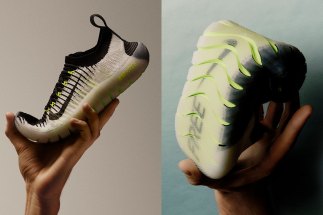
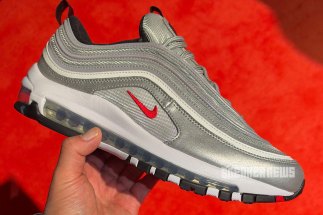
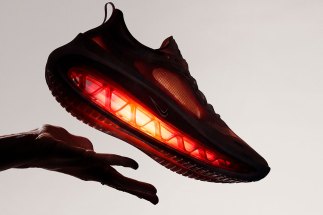
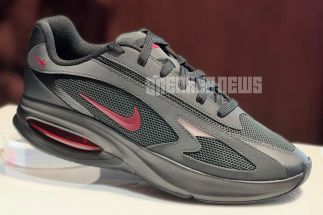
In case the deluge of news regarding the future of the Nike Mind franchise, the return of Nike Free, or updates to the Air Max family didn’t tip you off, there’s something big going down in Beaverton. For Investor Day 2026, the American giant is going all out with product previews and public-facing messaging concerning where the business is headed. Of course, it’s impossible to divorce any of this from the Swoosh’s stock price woes, currently at its lowest level since 2014. During the meat of their actual presentation at the Tiger Woods Center, Nike President Amy Montagne caught our ears with a major announcement: Beaverton is taking a surgical knife to the Sportswear roster, trimming it down by half in the years to come.
Her comments came during a section related to Nike’s “Sport Offense,” a new business direction unveiled by CEO Elliott Hill during the company’s most recent earnings call. The actual content of this approach hasn’t ultimately changed: recentering the athlete, drawing on local energy, and overall attacking their products with a renewed focus. However, this claim absolutely breaks new ground, spelled out by Montagne as follows:
We expect Sportswear to contribute more than $1 billion of growth through fiscal years 2028 through 2031. Capturing that opportunity requires us to fundamentally change how we approach the business. [After listening to consumers, athletes, retail partners, and tastemakers across the globe], what came through was the importance of individuality and local relevance. Athletes want to make Nike their own, expressing personal style in ways that reflect their identities and the communities around them. Fewer, more relevant styles and more of the ones people want.
We are cutting the number of models in half. Today, approximately half of NSW revenue comes from a small number of footwear families. We are focused on diversifying our product portfolio so our growth doesn’t rest on just a few icons. Right now, less than 10% of Sportswear footwear revenue comes from new models or updates on existing models. For fiscal year 2031, we expect it to be approximately 40%. That means fresh product in the $80 to $100 core, new innovation that takes athletes somewhere different, and new energy behind the classics they already love.
Again, though such a harsh chopdown to the catalog is absolutely a novel claim, the strategy in general is something we’ve heard before. Even back in Phil Donahoe’s era, Nike promised to reduce the flow of staples like the Nike Dunk and Air Force 1 Low. During the company’s pandemic-era boom, demand was such that even simple palette swaps could drive sell-out launches, something that eventually backfired as consumers grew tired of a stagnant catalog. Though it surely drove major short-term revenue, in the long term, it dented the prestige of those core silhouettes.
We could see this again in similar rumors out of Jordan Brand regarding the Air Jordan 1 Retro High, following very comparable story beats. Mike’s first signature shoe was once the sneaker to own in the wake of the Last Dance, and this decade, the new colorways coming for that shoe have only increased. Clearly, decision-makers under the Jumpman have come to the same conclusion: rinsing the same model has reached its logical endpoint, and turning it into a more limited commodity is the only way to restore its prestige.
In previous calls, Nike had made mention that some of these stock number reductions had been delayed; perhaps this is a signal that we’ll begin seeing that sooner than later. However, we will note that all of these Nike Investor Day comments are regarding moves to be made in a five-year strategy. We’re likely not ultimately at risk of any of their current models disappearing overnight, but removing some of the flotsam from their upcoming product stream should only be a positive.
See more Sneaker News in your Google results,
 ADD TO PREFERRED SOURCES
Love Sneaker News? Make us a Preferred Source on Google to see more of our stories in your search results. It only takes a click.