John Kim
For much of the last two decades, Jordan Brand enjoyed a level of cultural dominance that few footwear companies could match. Its Retro business was practically untouchable, fueled by the enduring legacy of Michael Jordan and an audience eager to relive the history of his signature sneakers. But after two difficult years marked by declining demand, oversaturation, and waning consumer enthusiasm, the Jumpman finds itself in unfamiliar territory.
Now, Jordan Brand has unveiled its strategy for reclaiming that position, outlining a future built around two distinct pillars: Street and Sport.
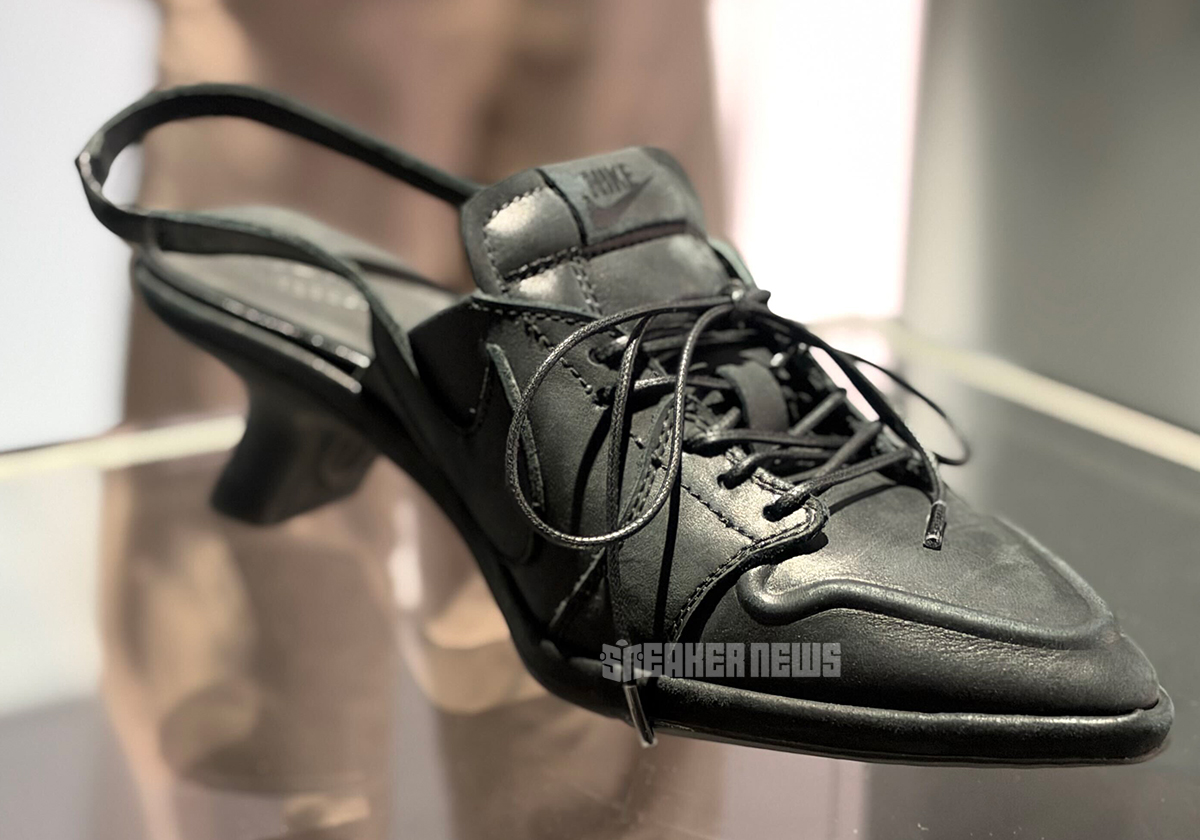
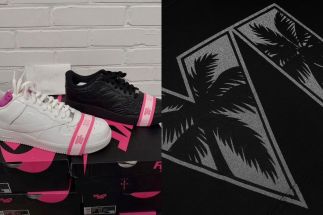
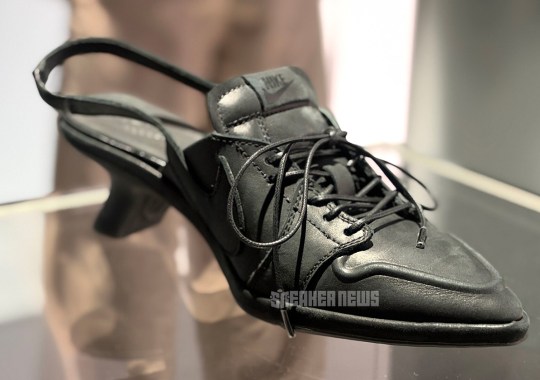
The Street division will focus on fashion-forward products and collaborations that push Jordan Brand beyond its traditional basketball identity. The newly unveiled Air Jordan 1 Kitten Heel is one example of that experimentation, while partnerships like the Infinite Archives x Air Jordan 17 Low demonstrate the brand’s continued interest in connecting with influential creative voices. There are also PE-style Air Jordan releases that have proven success among collectors.
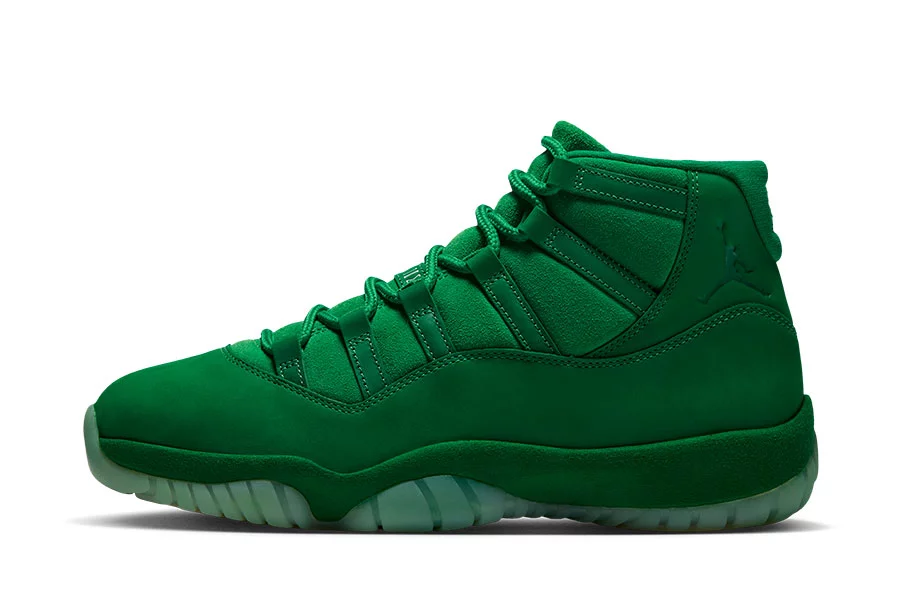
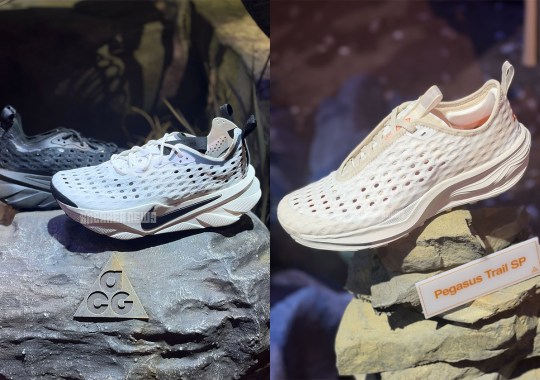
Sport, meanwhile, will reinforce Jordan Brand’s performance identity while expanding its presence beyond basketball. Its first soccer boot and new Air Jordan 11 golf footwear are among the products signaling the Jumpman’s broader athletic ambitions.
In reality, neither direction represents a dramatic departure from what Jordan Brand has already been doing. The company has spent years experimenting with fashion, collaborations, and performance categories beyond basketball. What changes now is the level of focus, with a more deliberate approach to defining and developing each side of the business.
But perhaps the most significant announcement concerns the future of the Air Jordan Retro.
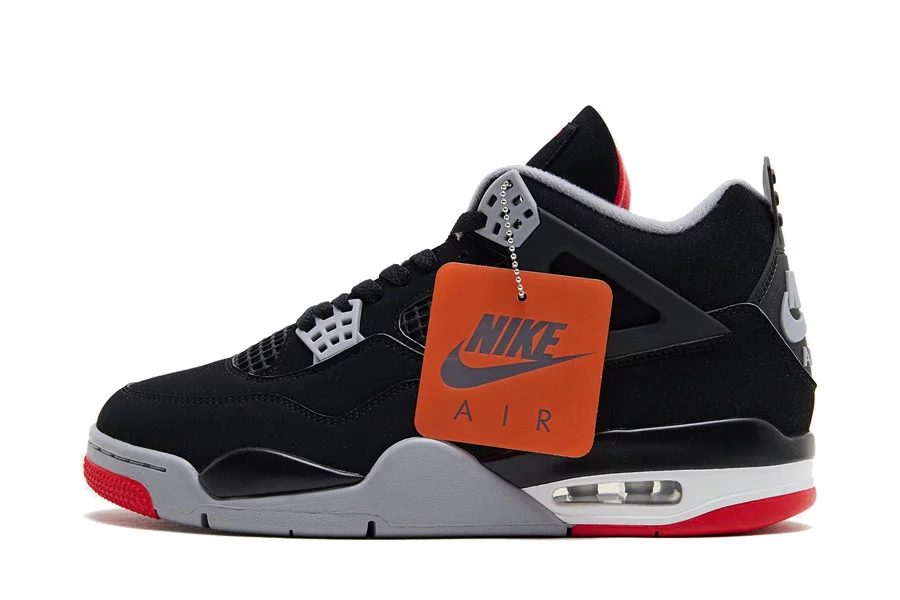
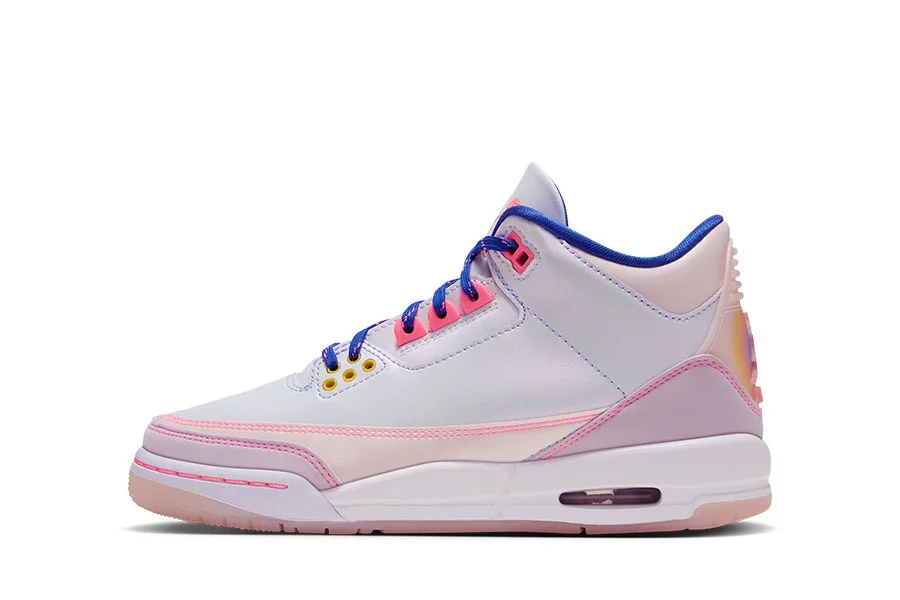
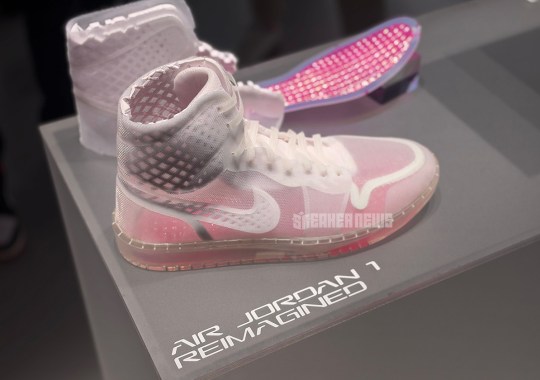
Jordan Brand is preparing to modernize its classic basketball silhouettes with contemporary performance technology while preserving the designs that made them iconic. The brand has confirmed that an updated Air Jordan 3 will make its NBA on-court debut in 2027.
It’s a development that Jordan enthusiasts have wanted for years. While Retro releases have become increasingly faithful to their original specifications, those specifications are also decades old. Cushioning, support, weight, and overall comfort have advanced considerably, leaving many classic Jordans better suited for casual wear than competitive basketball. The proposition is simple: Fans want their Jordans to look exactly as they remember them, but feel considerably better on their feet.
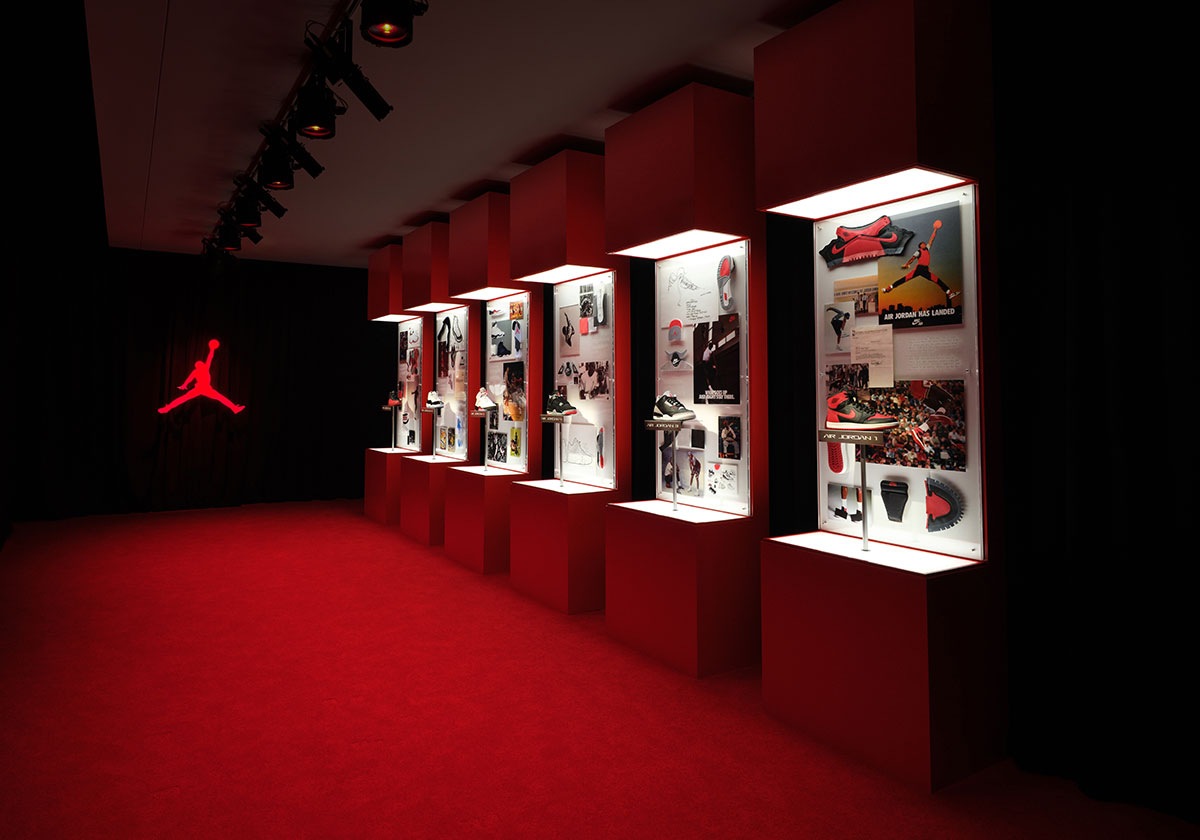
What’s especially encouraging is that Jordan Brand isn’t treating this as merely a lifestyle comfort upgrade. By testing the updated Air Jordan 3 at the NBA level, the company is establishing performance credibility from the outset. There’s also a larger opportunity for this newfound on-court connection to establish relevance among younger basketball fans while bringing recognizable silhouettes to an audience that values performance as much as heritage. The shoes would no longer depend entirely on nostalgia to justify their place in sneaker culture.
Of course, none of this guarantees a commercial turnaround. Jordan Brand’s recent challenges extend beyond outdated performance technology, and restoring demand will require more than new products and a reorganized strategy. Scarcity, desirability, and cultural credibility remain essential parts of the equation.
The direction is encouraging. Jordan Brand isn’t abandoning the history that made it great, nor is it relying exclusively on that history to carry the business forward. They’re attempting to make its greatest assets relevant to a new generation. And if the strategy succeeds, Jordan Brand’s next era of greatness may come from giving its past an entirely new purpose.
See more Sneaker News in your Google results,
 ADD TO PREFERRED SOURCES
Love Sneaker News? Make us a Preferred Source on Google to see more of our stories in your search results. It only takes a click.