


In 1935, Ann Arbor was where Jesse Owens laced up his track spikes and broke three world records in track and field. In 2007, former Wolverine Alan Webb set the American record in the mile, shortly after his tenure as a runner for Big Blue. If ASICS and Michigan have their way, they’ll add their own chapters to the history books, and it all starts on campus once again.
Given their Japanese roots, it’s no shock that ASICS’ technological advancements have largely come out of Kobe for nearly half a century, anchored by the Institute of Sport Science, which has been in operation since 1985. But, as with all things, footwear is an increasingly global field. While the products developed on the island nation helped establish ASICS as a worldwide force, Japan is no longer its only market. On earnings calls, the brand’s leadership has identified North America as a major growth opportunity, something you’ve surely noticed if you’ve spotted the indomitable GEL-Kayano 14 or GEL-1130 on resale shop shelves or on the feet of younger consumers.
Building on that newfound cachet, ASICS has laid out a plan to strengthen its foothold in Europe and North America, not just in terms of shelf space, but also by shaping how its future flagship products are developed in the first place. That expansion comes as the company ramps up its broader investment in forward-thinking product development. The ISS America, ISS Europe, and ASICS Technical Lab, a hub for rapid prototyping and support for elite athletes, are all opening within a calendar year of one another.
All of that comes together at the ASICS Michigan Sport Innovation Center. A joint venture between the University of Michigan, long recognized as a bastion of American research, and ASICS, a company that places its “Sound Mind and Body” ethos at the center of its corporate identity, the facility opened its doors to Sneaker News to walk through the work already taking place in Ann Arbor.
While many of the projects described below are in their infancy, ASICS confirms that their next super shoe will be one of the first tangible products to come out of this venture. Beyond our walkthrough of the facility itself, we also spoke to Dr. Ken Kozloff and Norihiko Tanaguchi, co-directors of the ISS, on what the future holds in Ann Arbor.
Pinnacle performance running is the obvious starting point when discussing the future of footwear, and ASICS is certainly looking to support marathon record-holders through this initiative. But that’s not the only North Star guiding the endeavor. Our tour followed the six-department structure of the ASICS Institute of Sport Science, offering a look at the cross-disciplinary approach both partners want to put at the center of their work.
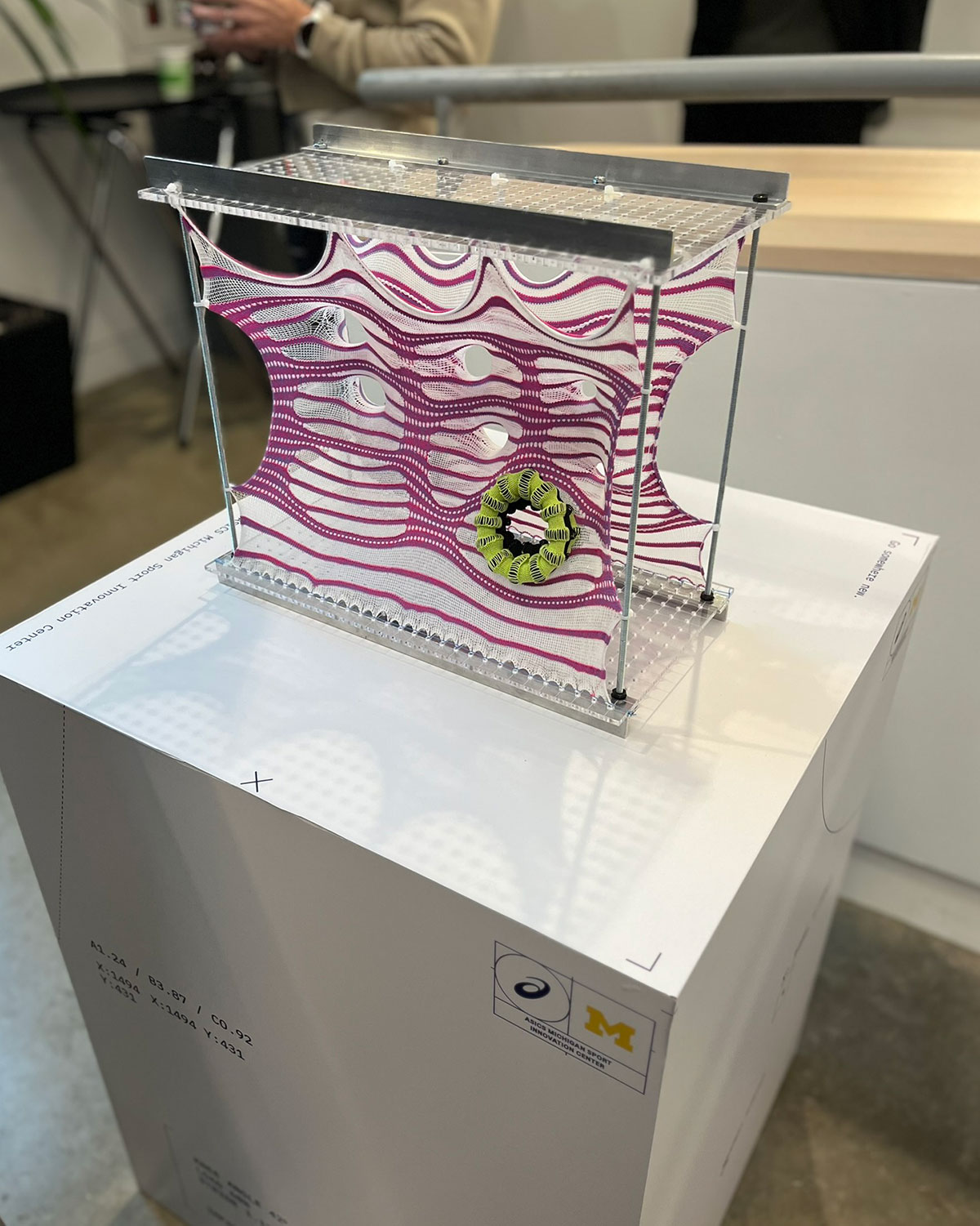
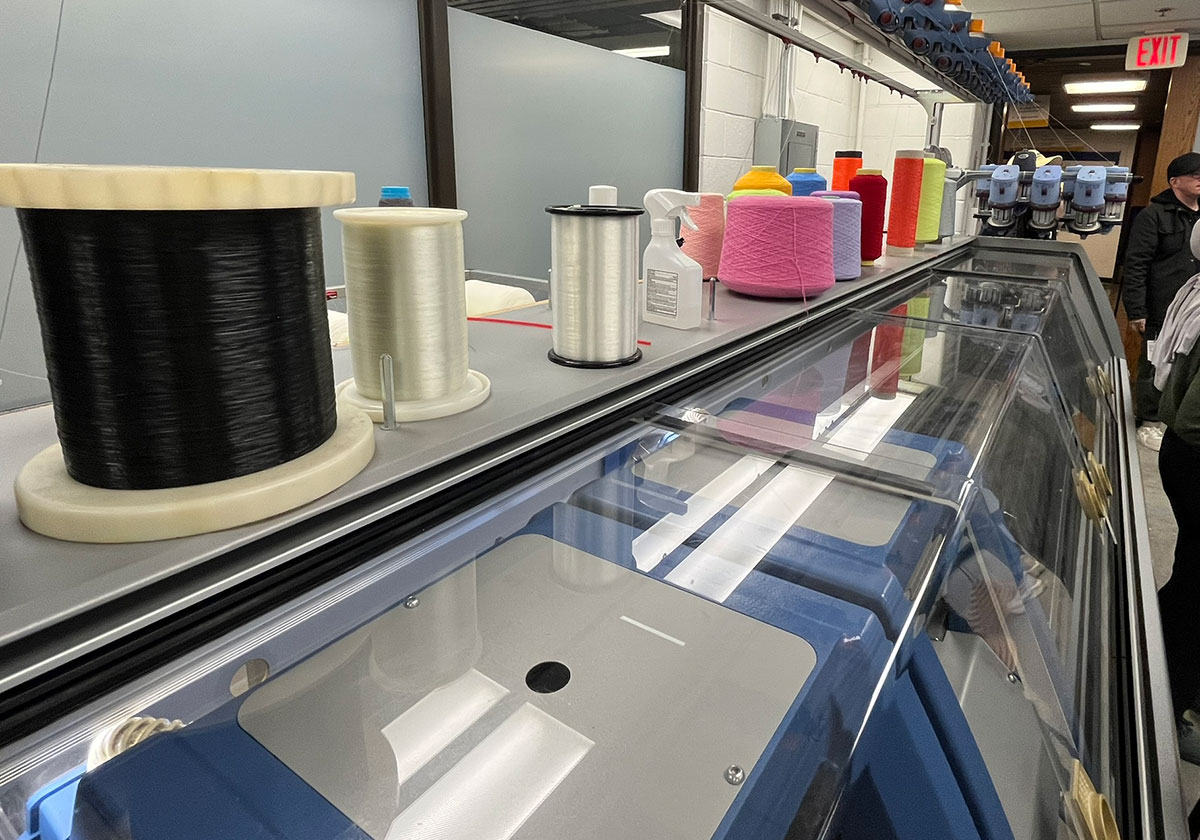
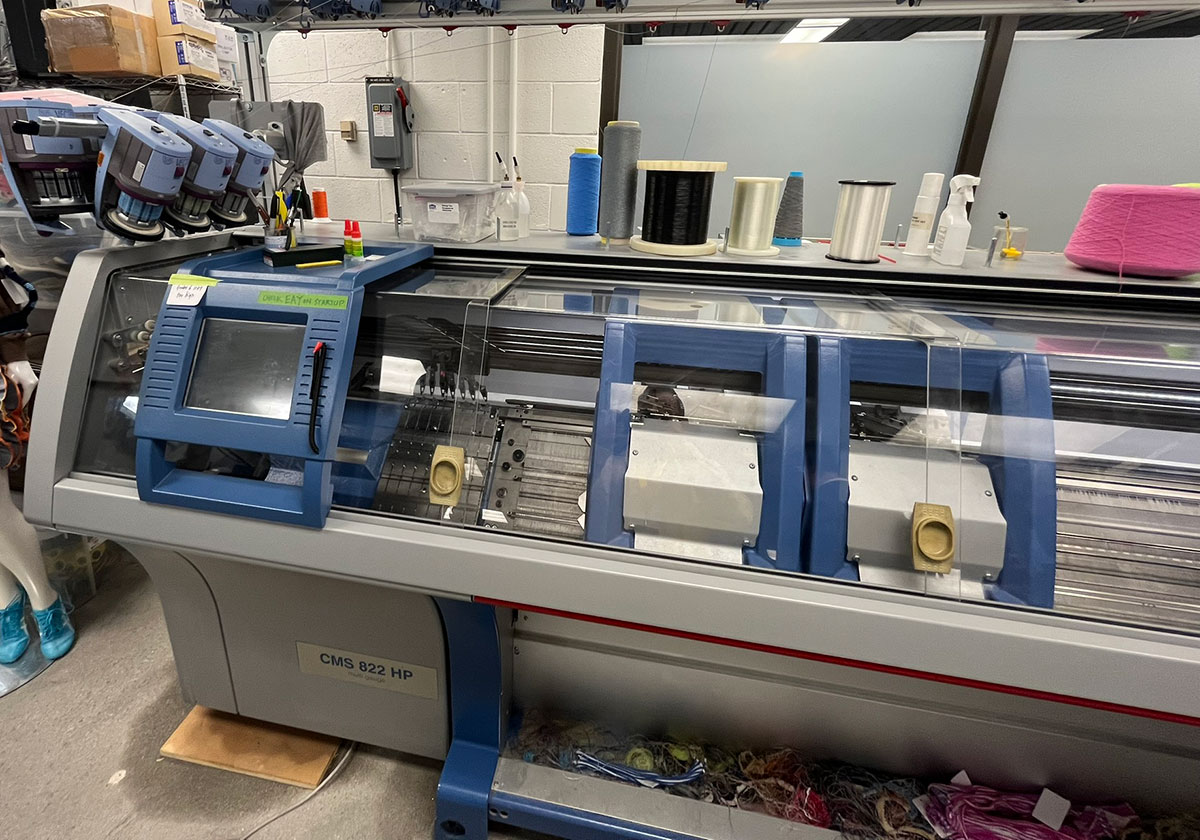
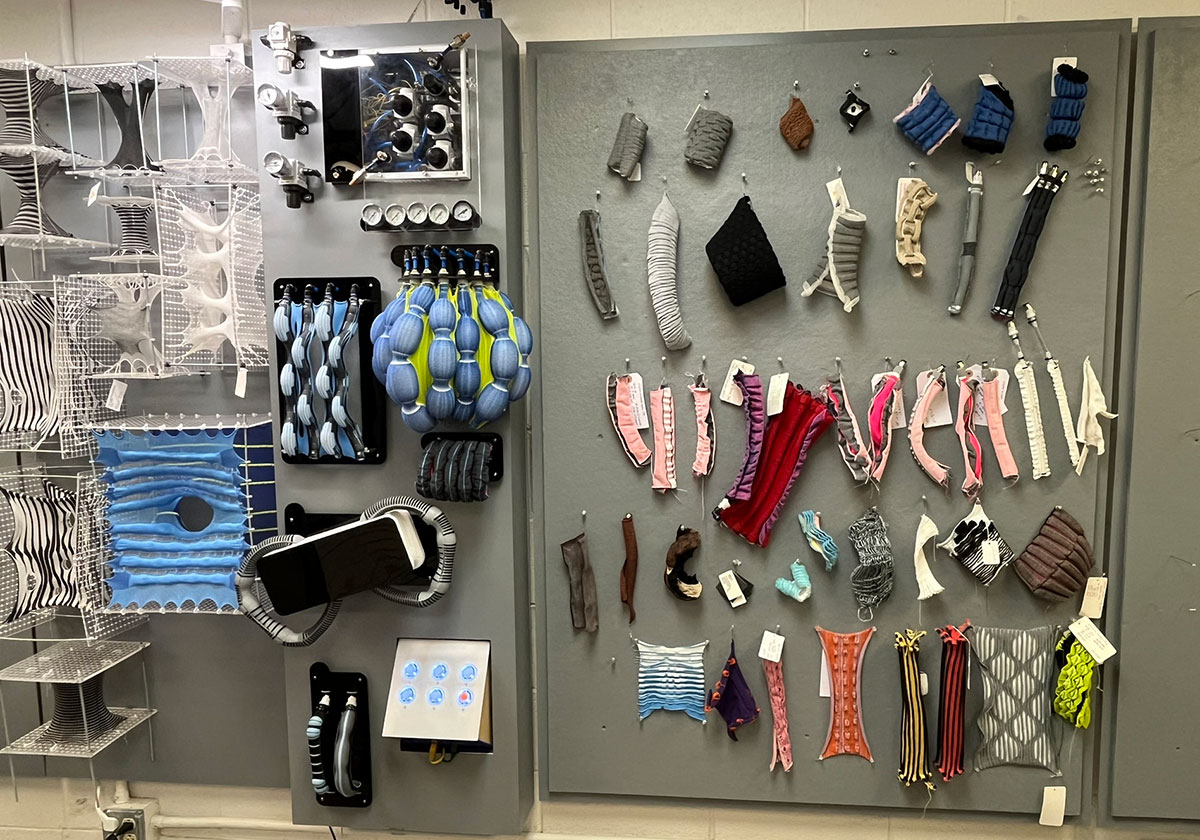
For the sneaker obsessive, materials are probably the first thing that comes to mind when considering what next-generation footwear might look like. Every performance brand is working to reduce the weight of its next-generation running shoes, shaving off mere grams in pursuit of faster times and world records. Of course, the Instiute of Sports Science America (ISS) is contributing to that pursuit. Since around 2020, Dr. Sean Alquist’s research has explored knitting processes, with particular interest in tailoring fabrics to better serve neurodivergent communities, for whom sensory input can be a major pain point or point of comfort.
ASICS identified Alquist’s research as a frontier where the company’s interests aligned with his work. Existing research had already explored the possibilities of different knit compositions, uncovering novel bladder systems and seeking to improve the sensory experience between wearers and their equipment. Looking ahead, the potential applications could influence what ASICS footwear looks like in 2028 and beyond. Beyond upper construction, Alquist’s previous work with companies such as General Motors provides a foundation for exploring haptic feedback and closure systems, opening up additional possibilities for footwear hardware.
Overview of ASICS Institute of Sport Science Research and Prototypes
Overview of ASICS Institute of Sport Science Research and Prototypes
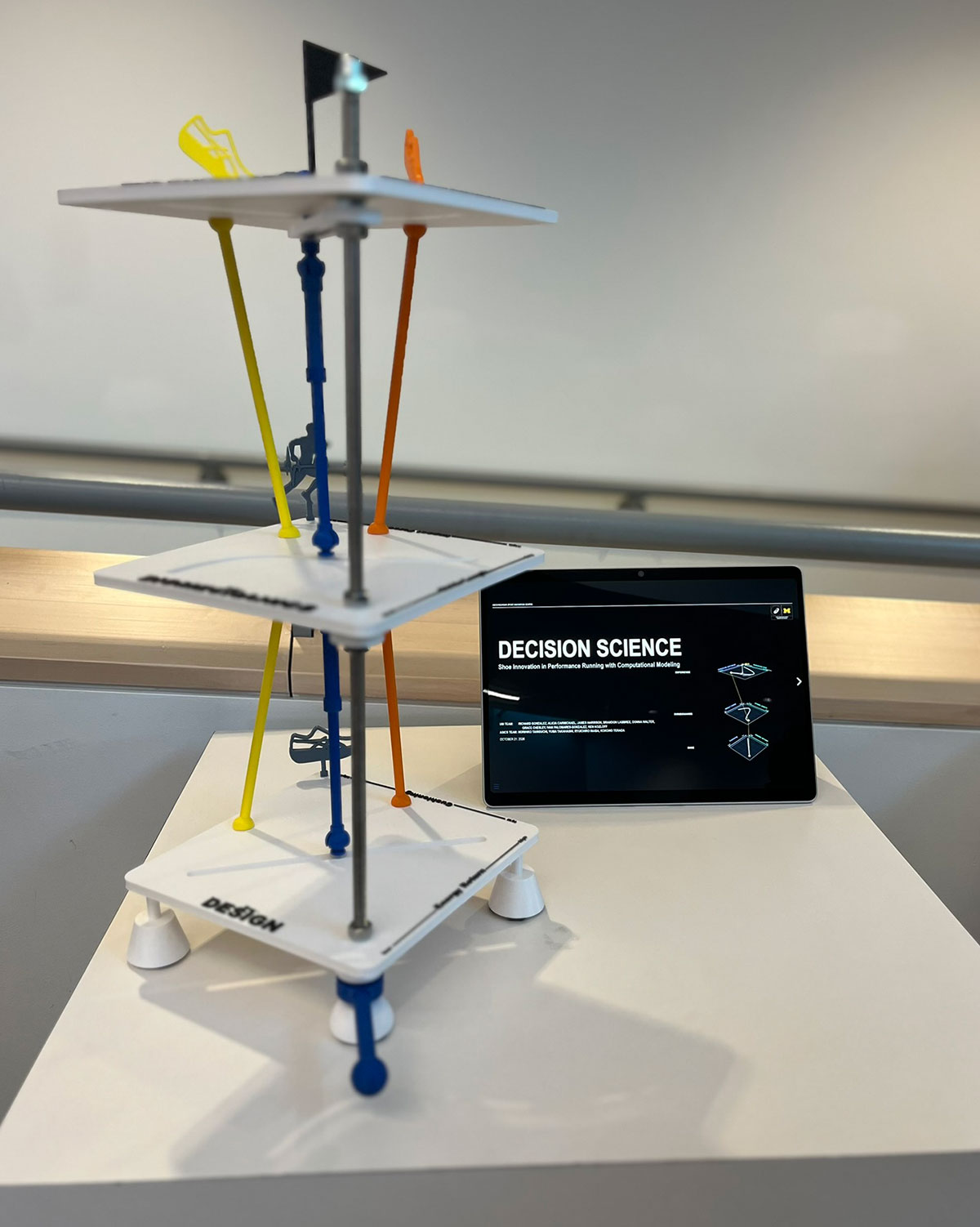
Overview of ASICS Institute of Sport Science Research and Prototypes
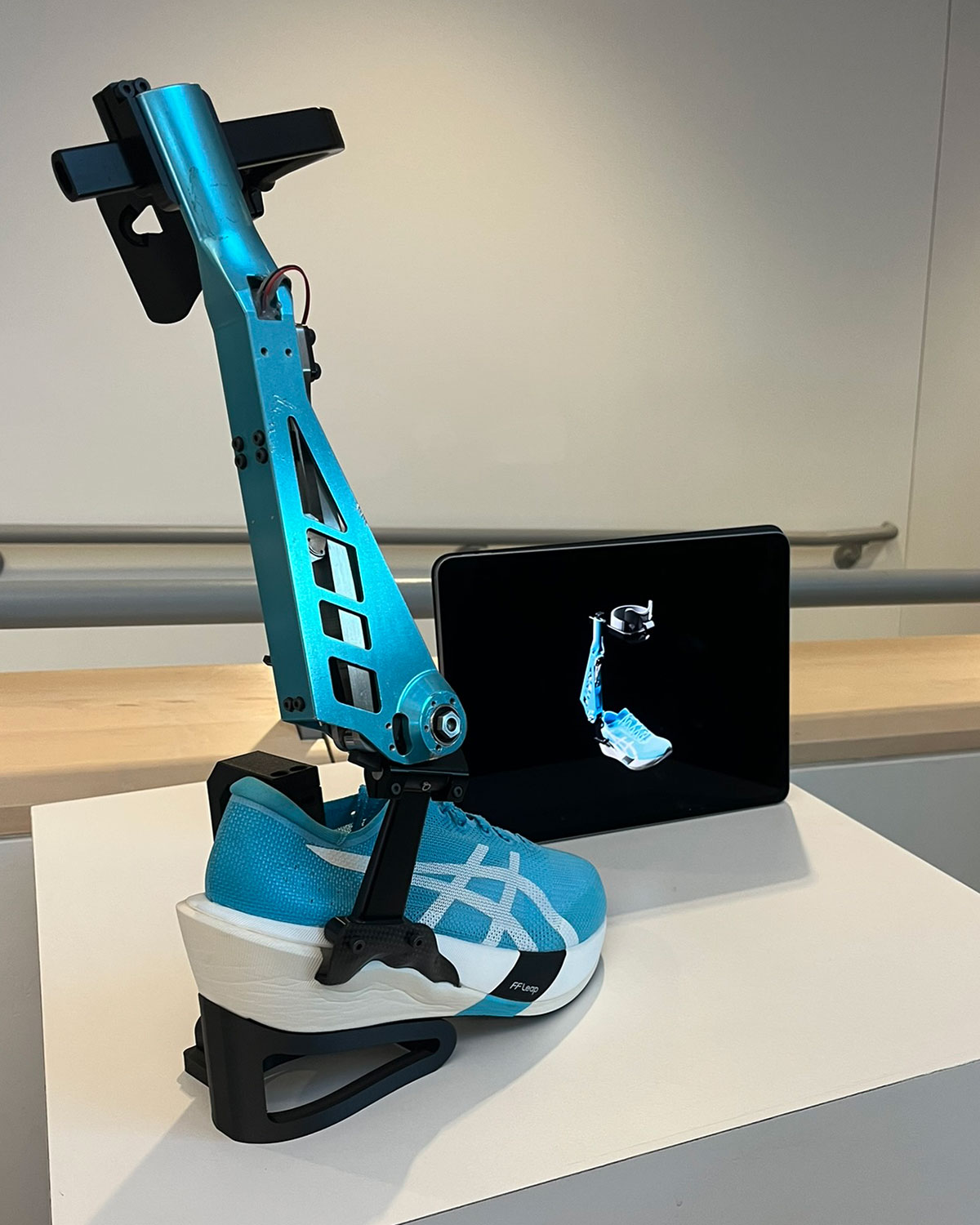
Overview of ASICS Institute of Sport Science Research and Prototypes
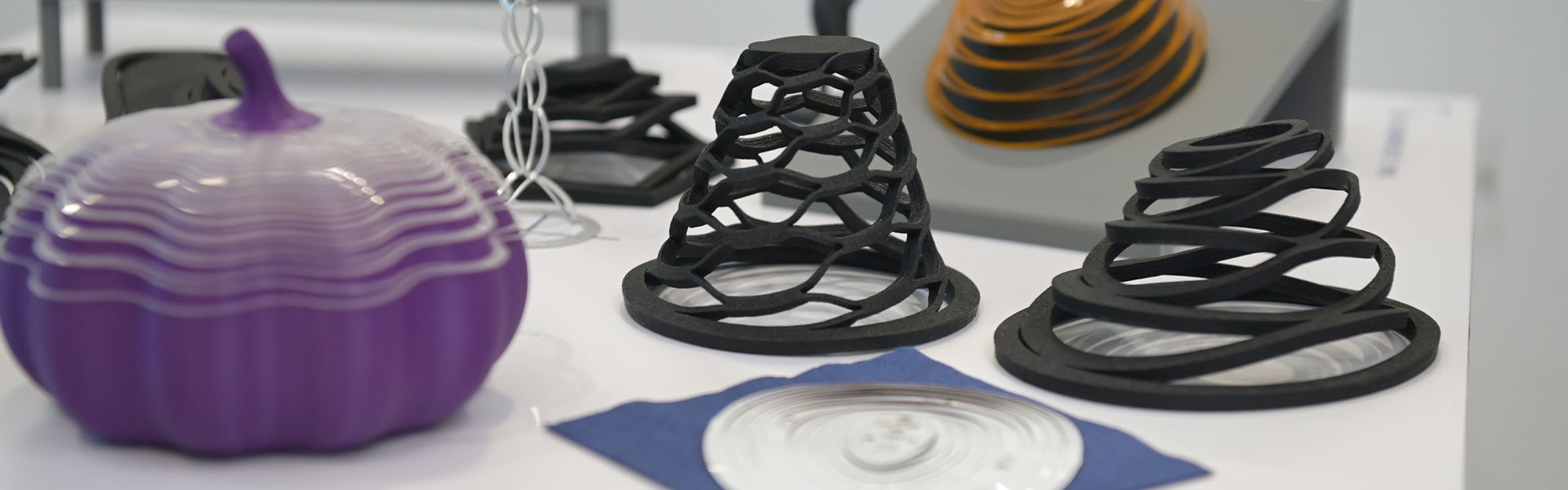
In a clear example of how ASICS’ Japanese roots inform the work at ISS America, Dr. Max Shtein oversees “Kirigami-Based Designs for Novel Shoe Structures.” Shtein and his team are tackling a problem with wearable sensors and other technology: These systems are often constrained by the need for flat, rigid components that can restrict the mobility athletes require. By applying the principles of kirigami, the traditional art of creating three-dimensional forms from paper through cuts and folds, the team is exploring how these structures can be adapted into flexible forms. Spinning forward, the approach could make embedded sensors more practical for everyday use. More excitingly for footwear enthusiasts, the research is already informing an ASICS sneaker prototype in development.
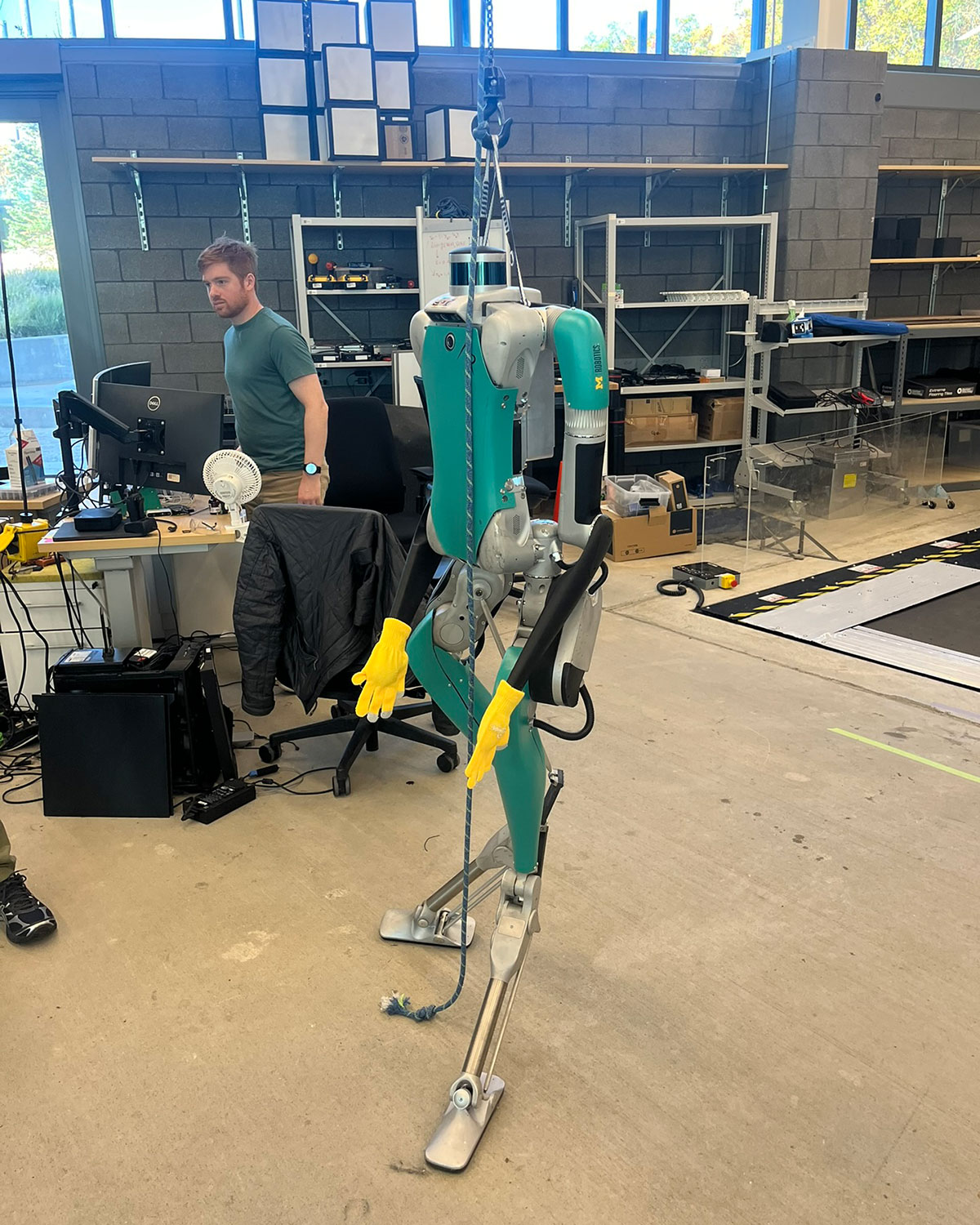
The university has a long tradition of robotics as well, with companies such as May Mobility, SkySpecs, and Standard Bots emerging from work initially conducted on campus in Ann Arbor. By tapping Ram Vasudevan to lead the Biomechanics for Real-World Measurement team, ASICS is looking to build on the university’s strengths in approximating and replicating human mobility in laboratory settings while making those findings more accessible beyond the lab. In practical terms, the team aims to take standard video footage, process it through computational and AI models, and generate estimates of the forces runners produce during their workouts.
Although technology already exists to capture precise measurements, doing so can be a lengthy, involved process. Athletes must run under controlled conditions while hooked up to an array of sensors and interfacing with complex force-plate systems. If Vasudevan and his team succeed, that testing could become far more accessible, potentially democratizing the process.
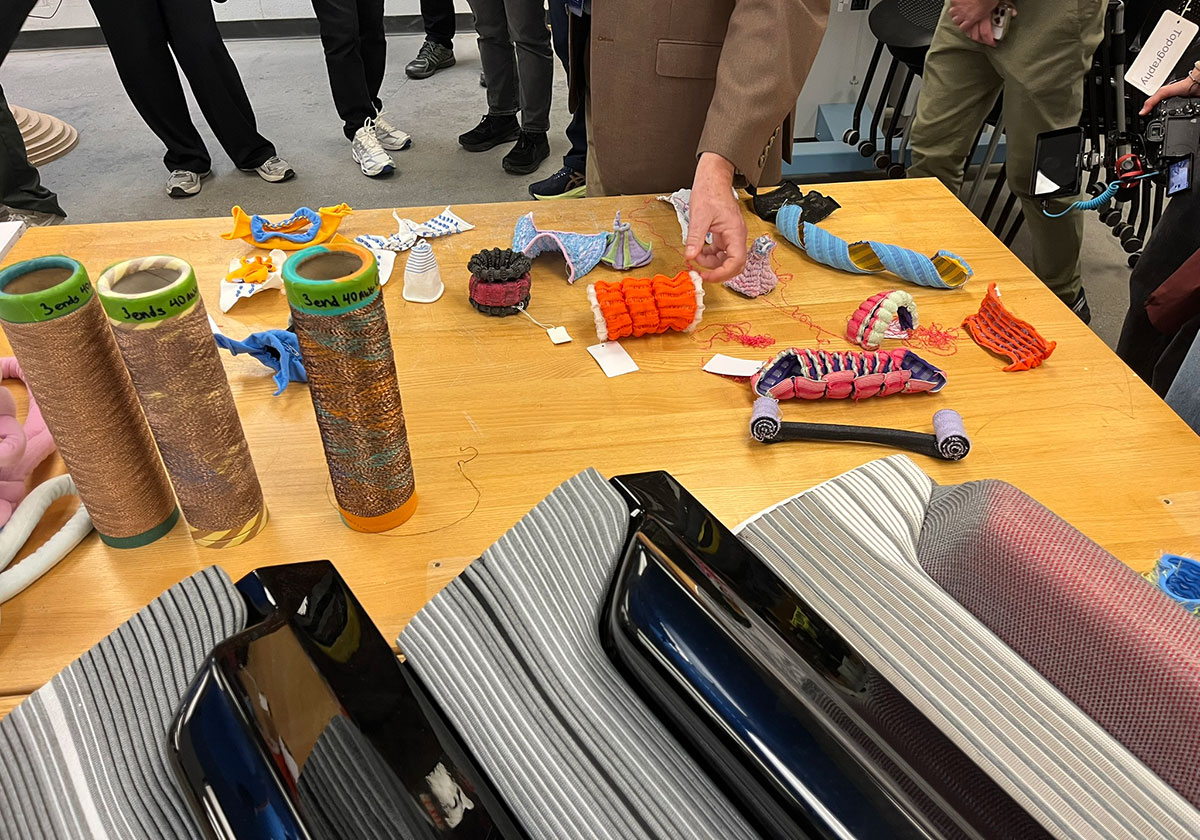
Future 3D Fabrics For Immersive Strides Lab
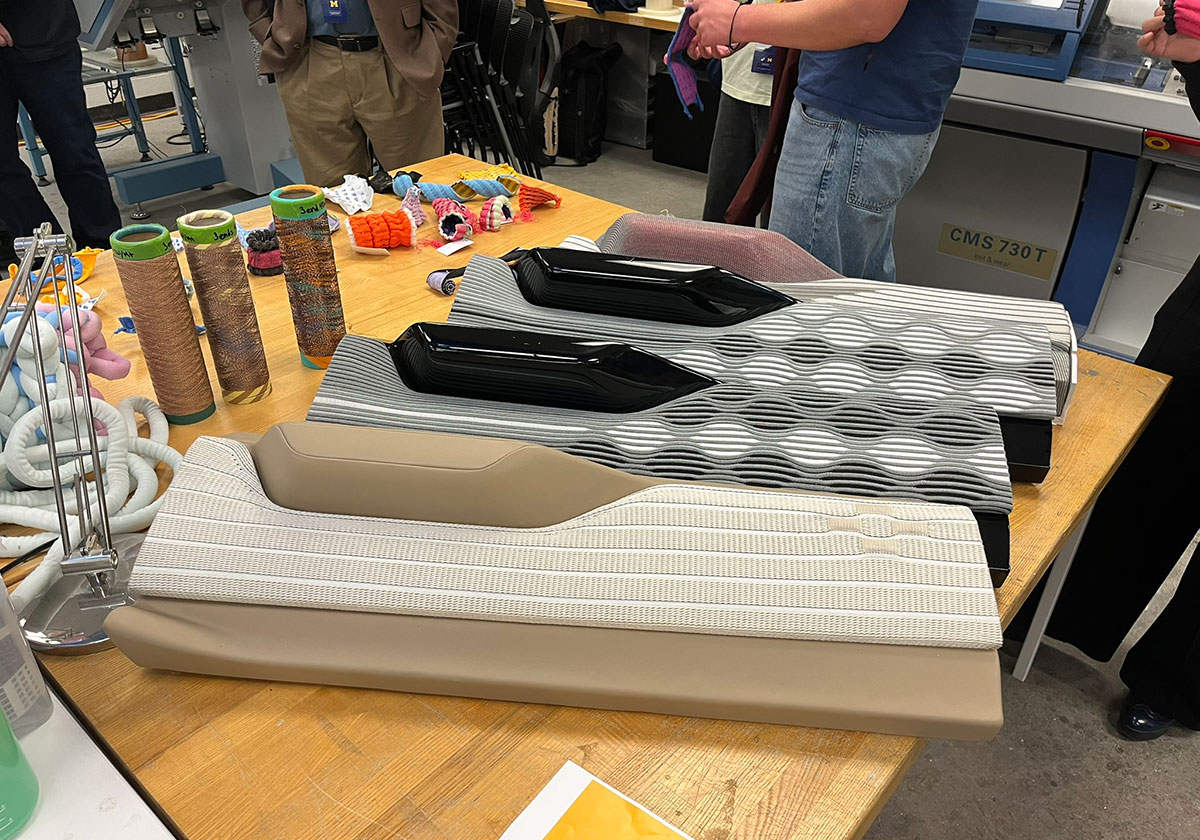
Future 3D Fabrics For Immersive Strides Lab
Future 3D Fabrics For Immersive Strides Lab
Future 3D Fabrics For Immersive Strides Lab
Future 3D Fabrics For Immersive Strides Lab
Beyond reducing the resources required to collect data on runners, the technology could provide more representative measurements by capturing movement in real-world environments. One can imagine footage collected during mile 25 of a marathon offering a more realistic picture than a three-mile run in a lab. Looking further ahead, the team envisions everyday runners uploading footage of themselves to receive similar insights, potentially including tailored recommendations for ASICS products that could help address issues they encounter on their daily runs.
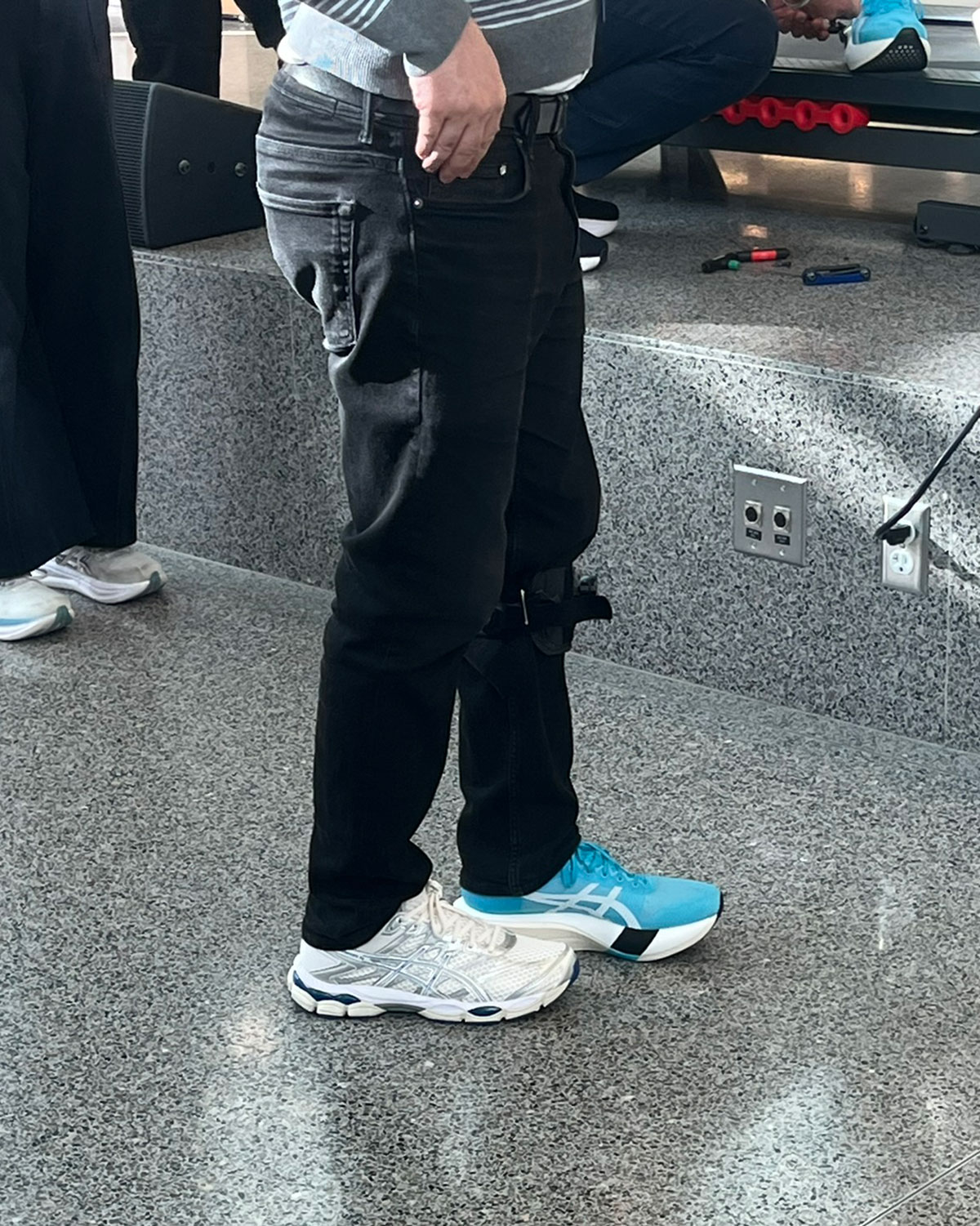
Continuing the focus on performance, ISS America brought in Elliott Rouse for the “Elastic Energy Loop for Efficient Running” project. Drawing on a varied background in automotive engineering and prosthetics, Rouse has developed a prototype of an “exoskeleton” VSO system. In layman’s terms, a spring-loaded aluminum cuff attaches to the wearer, essentially functioning as a “virtual calf muscle” that provides additional propulsion to supplement the force generated by the body. In a world where running brands are constantly navigating the boundaries of race-legal technology, it’s unlikely we’ll see this system on the course at Boston or London anytime soon.
However, researchers identified aging athletes and older adults more broadly as potential beneficiaries, with the system offering a way to enhance range of motion and overall mobility as the body naturally loses some of its capacity. Injured runners also came up in the discussion, with the technology potentially helping them get back up to speed. While other companies have developed systems in this category, Rouse noted that ASICS’ approach stands out for its light weight, eschewing a motorized design to reduce the load on the wearer.
Exoskeleton VSO prototype from the Elastic Energy Loop for Efficient Running divison
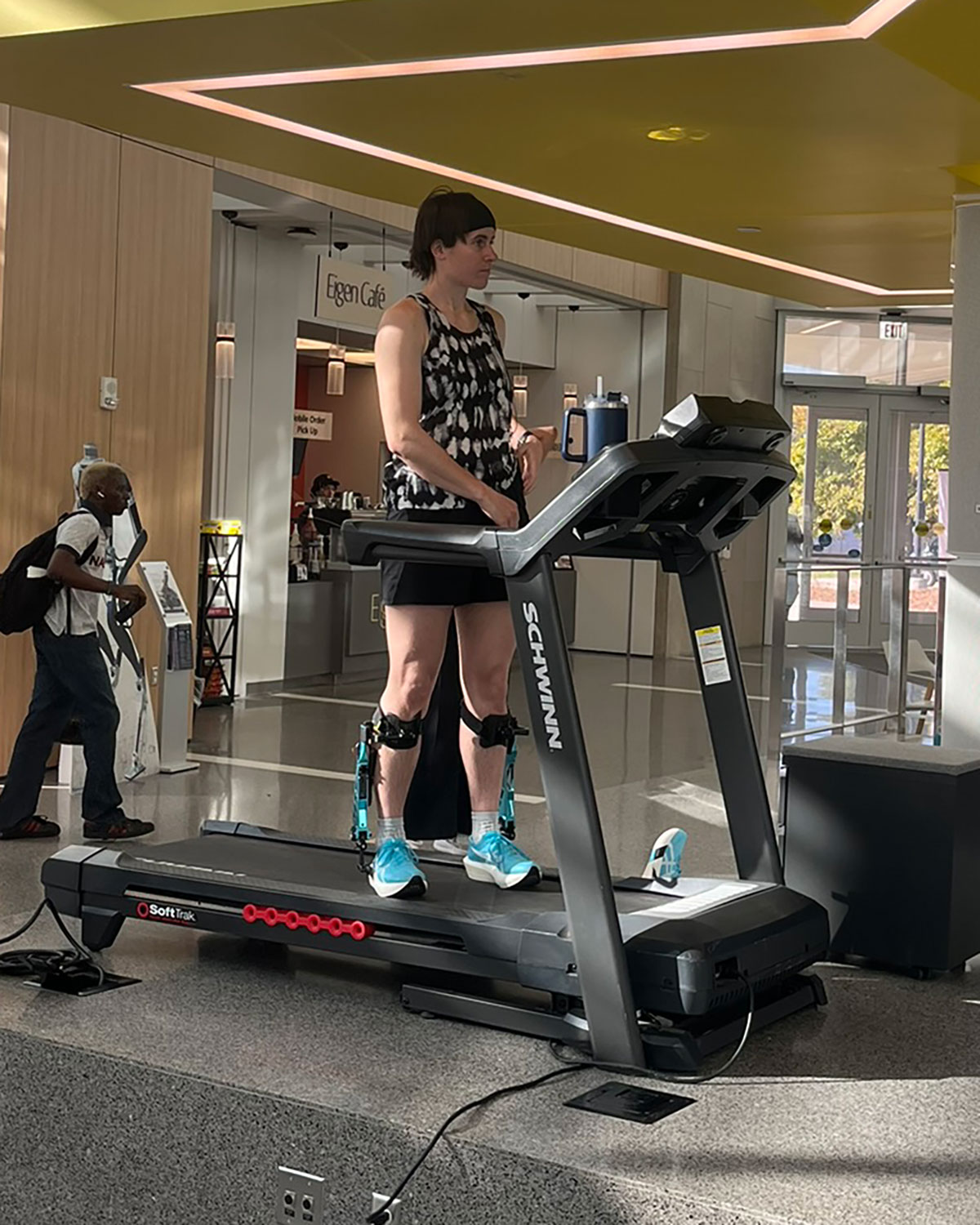
Exoskeleton VSO prototype from the Elastic Energy Loop for Efficient Running divison
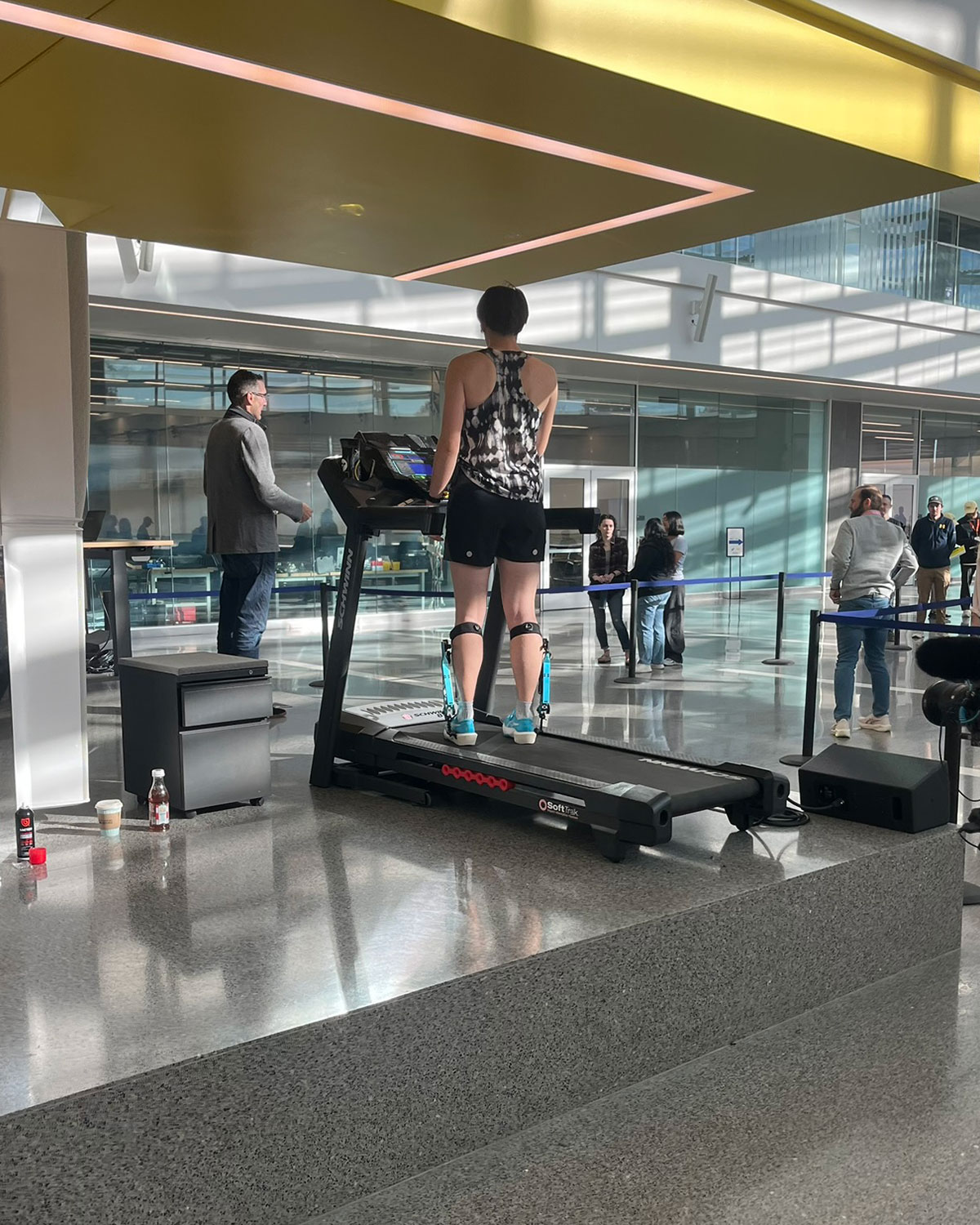
Exoskeleton VSO prototype from the Elastic Energy Loop for Efficient Running divison
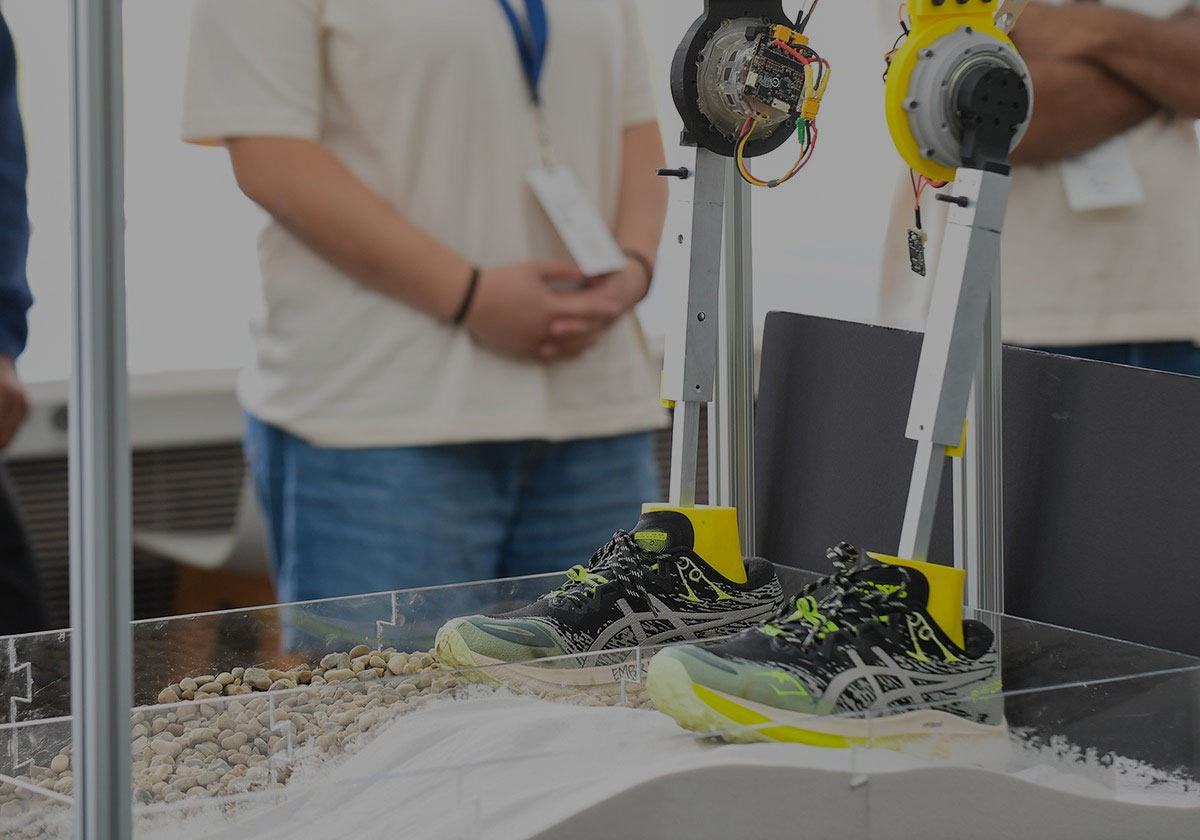
Perhaps the most abstract of the showcases, but also the most intriguing to this writer, was the work of Talia Moore, Ph.D., who leads a team seeking inspiration from the natural world to solve problems in footwear. A trip to Australia to study the thorny devil provided the initial spark. The reptile has microscopic channels between its scales and skin that draw moisture across its body through capillary action. With that in mind, Dr. Moore and her team identified a potential connection to sweat-wicking technology that ASICS could use in weather-ready footwear.
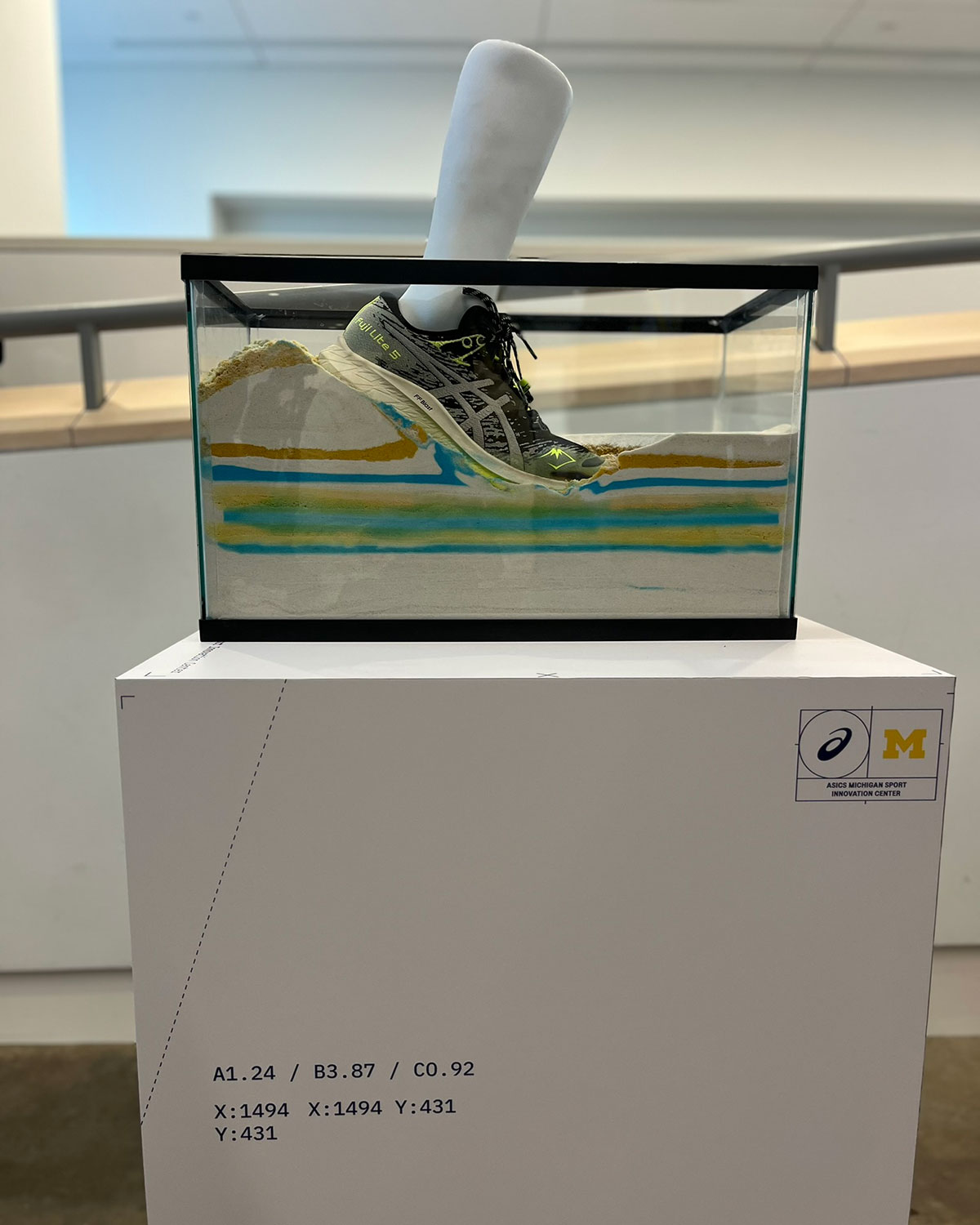
Other student-led projects examined alpine ibex goats, which can scale nearly sheer surfaces thanks to soft interior footpads and extremely hard exterior hooves. The researchers hypothesized that these adaptations could inspire hiking footwear. The boxfish also caught their attention: Its hexagonal shell structure helps protect it against impacts, offering a possible model for application in the world of soccer cleats designed to reduce injuries caused when an opposing player’s studs strike the top of the foot. The team’s current focus is on addressing the additional force required to run on sand, a challenge frequently encountered by ultramarathoners.
Of course, while all this research is valuable for exploring what ASICS footwear could become, consumer preferences ultimately help determine what makes it to market. To that end, Dr. Rich Gonzalez of the Institute for Social Research and his team developed a mapping technique that plots wearer preferences to create a multidimensional view of what a piece of footwear brings to the table. Researchers described the technology as a form of identification software. Using this model, ASICS could match individual consumer profiles with products in its current catalog while also identifying potential areas where the brand’s existing models fall short of consumer preferences.
As both Dr. Ken Kozloff and Norihiko Taniguchi emphasized time and time again, each of these departments holds a ton of intrinsic value in their focuses, but the real magic happens as these teams’ intersect, either sharing findings across their disciplines or working together to tackle problems that they’ve each encountered individually. Ideally, it won’t just be academic problem-solving that comes out of the ISS as the partnership moves forward; whether it’s helping to shave minutes of your mile, assisting in getting you back on the track quicker, or completely rethinking what performance looks like in the first place.
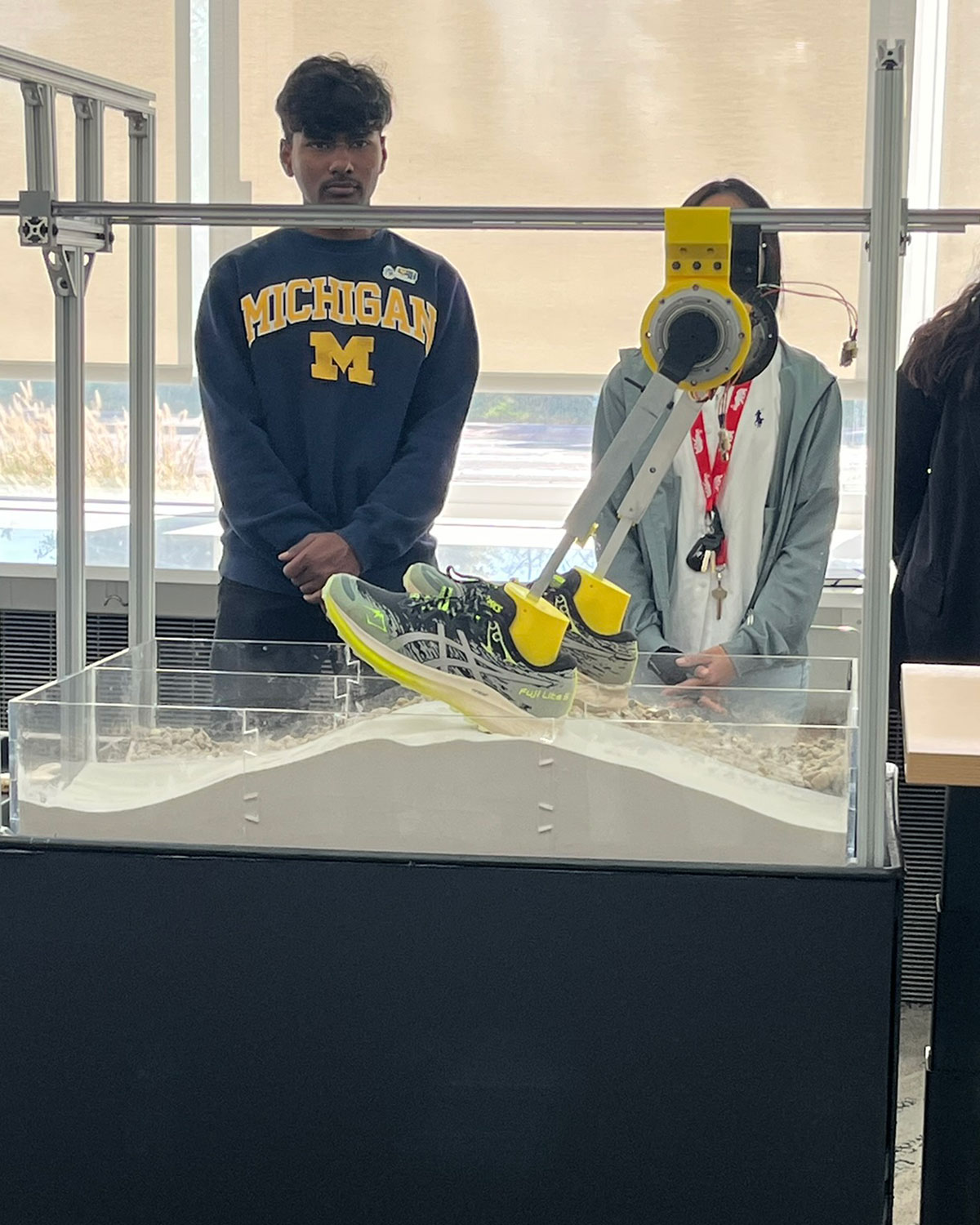
Presentation from the Bio-Inspired Designs for Specialized Terrain lab
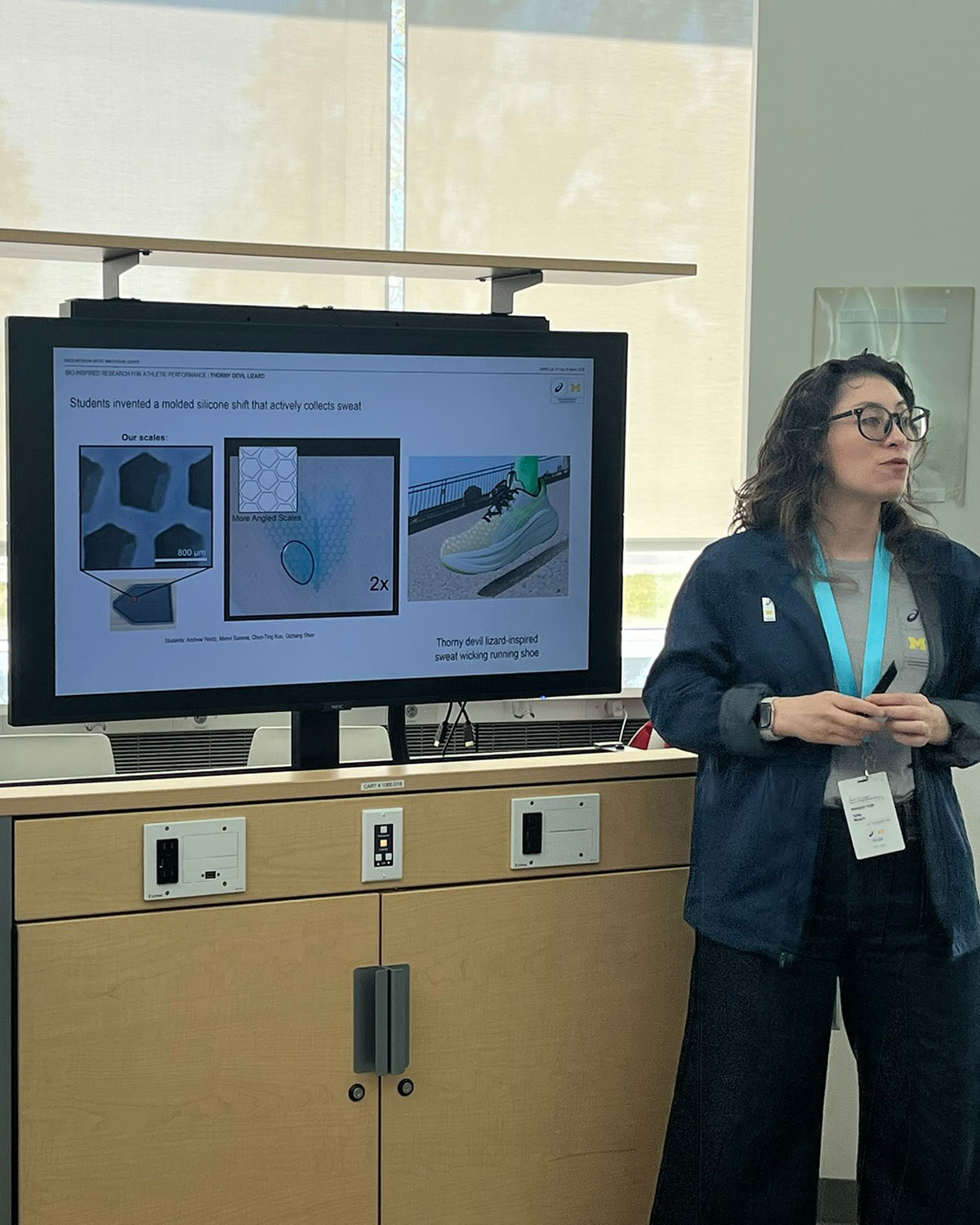
Presentation from the Bio-Inspired Designs for Specialized Terrain lab
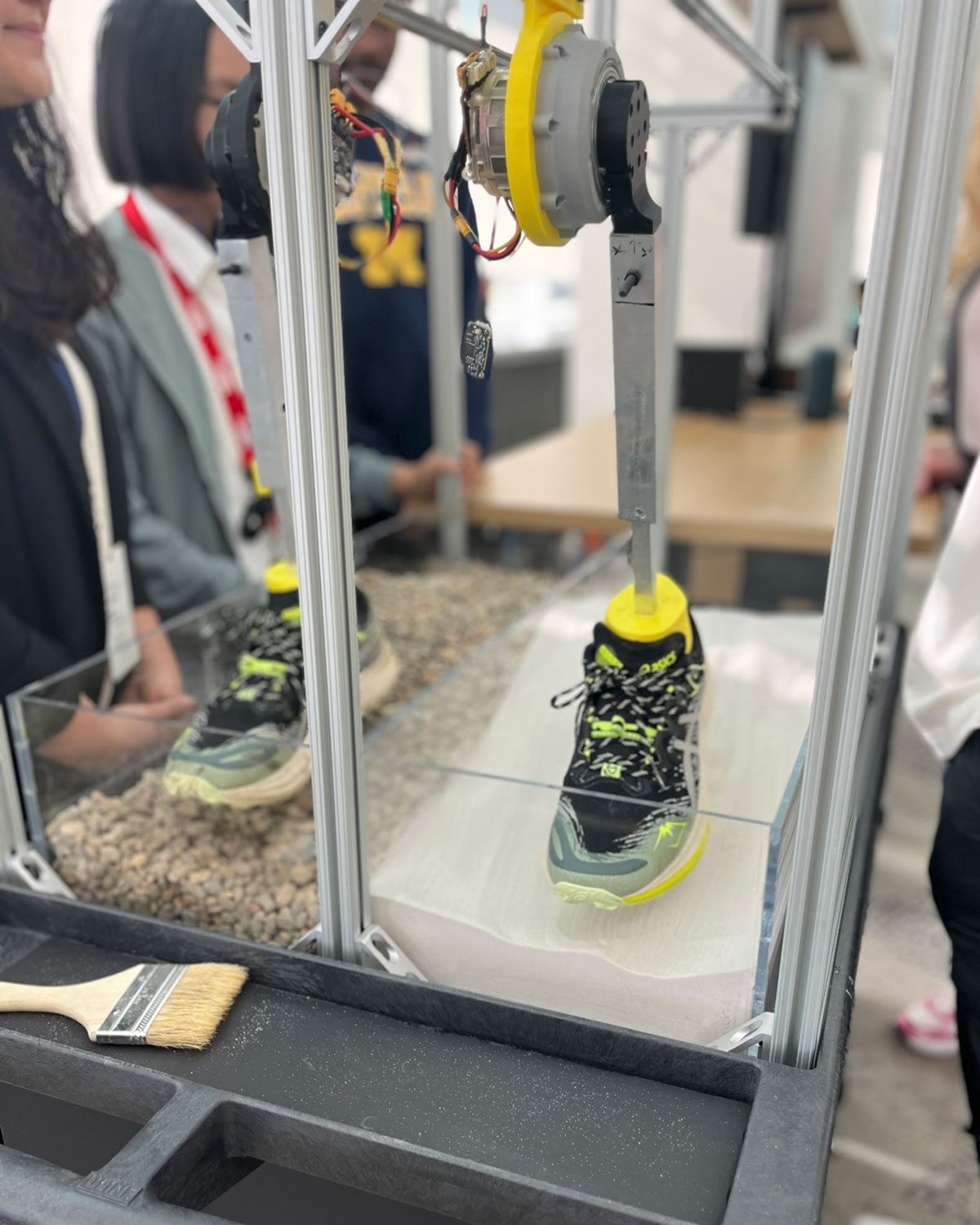
Presentation from the Bio-Inspired Designs for Specialized Terrain lab
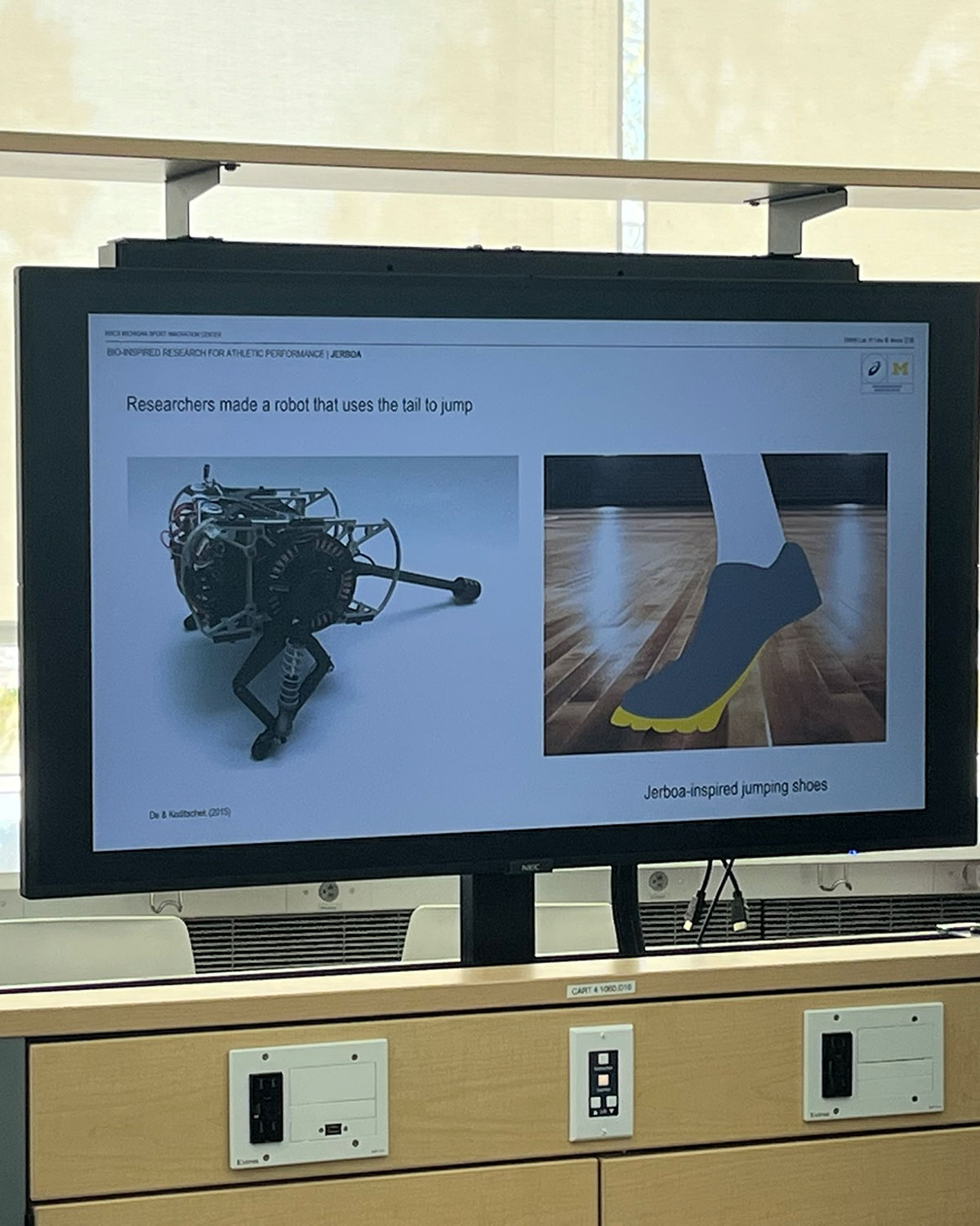
Presentation from the Bio-Inspired Designs for Specialized Terrain lab
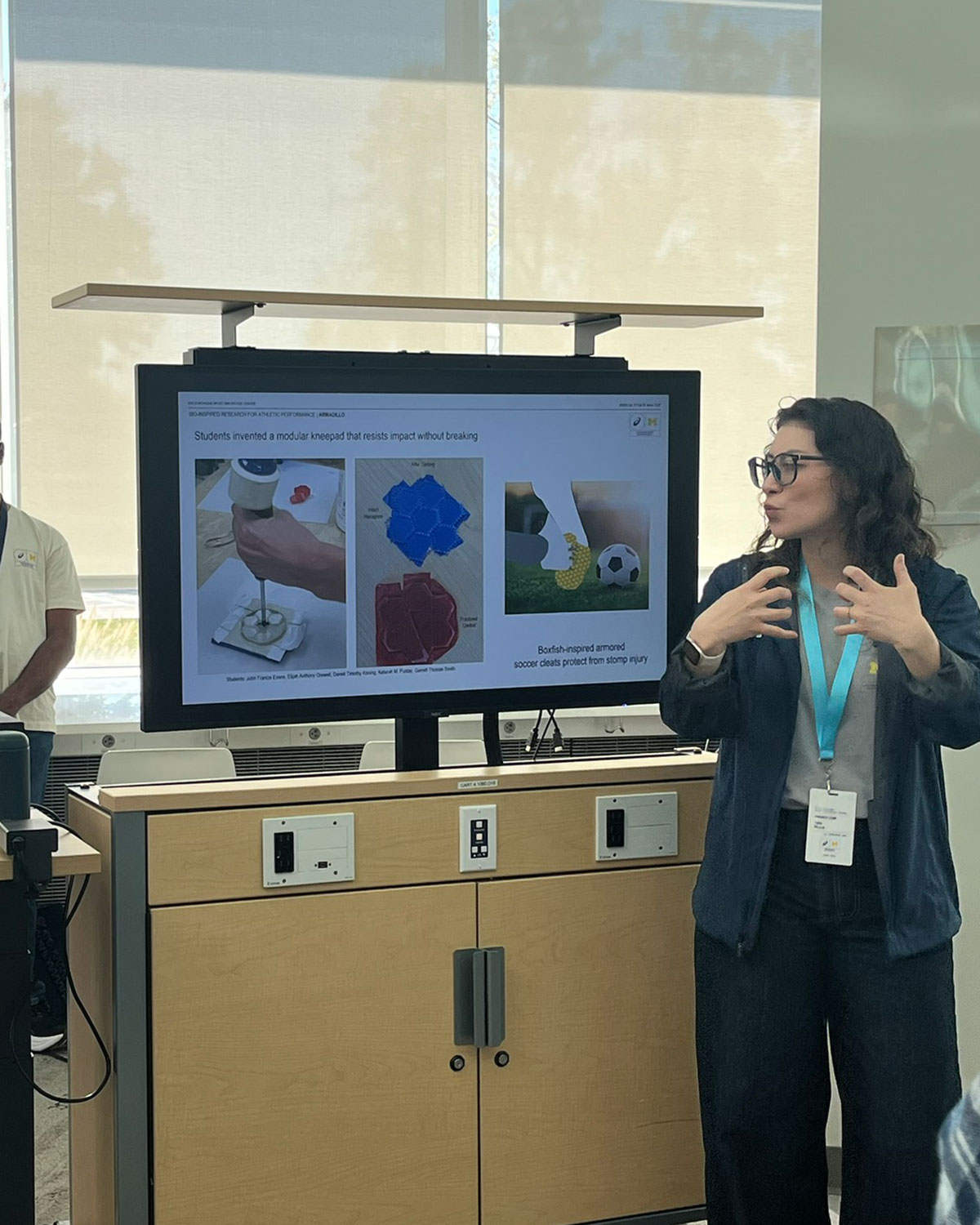
Presentation from the Bio-Inspired Designs for Specialized Terrain lab
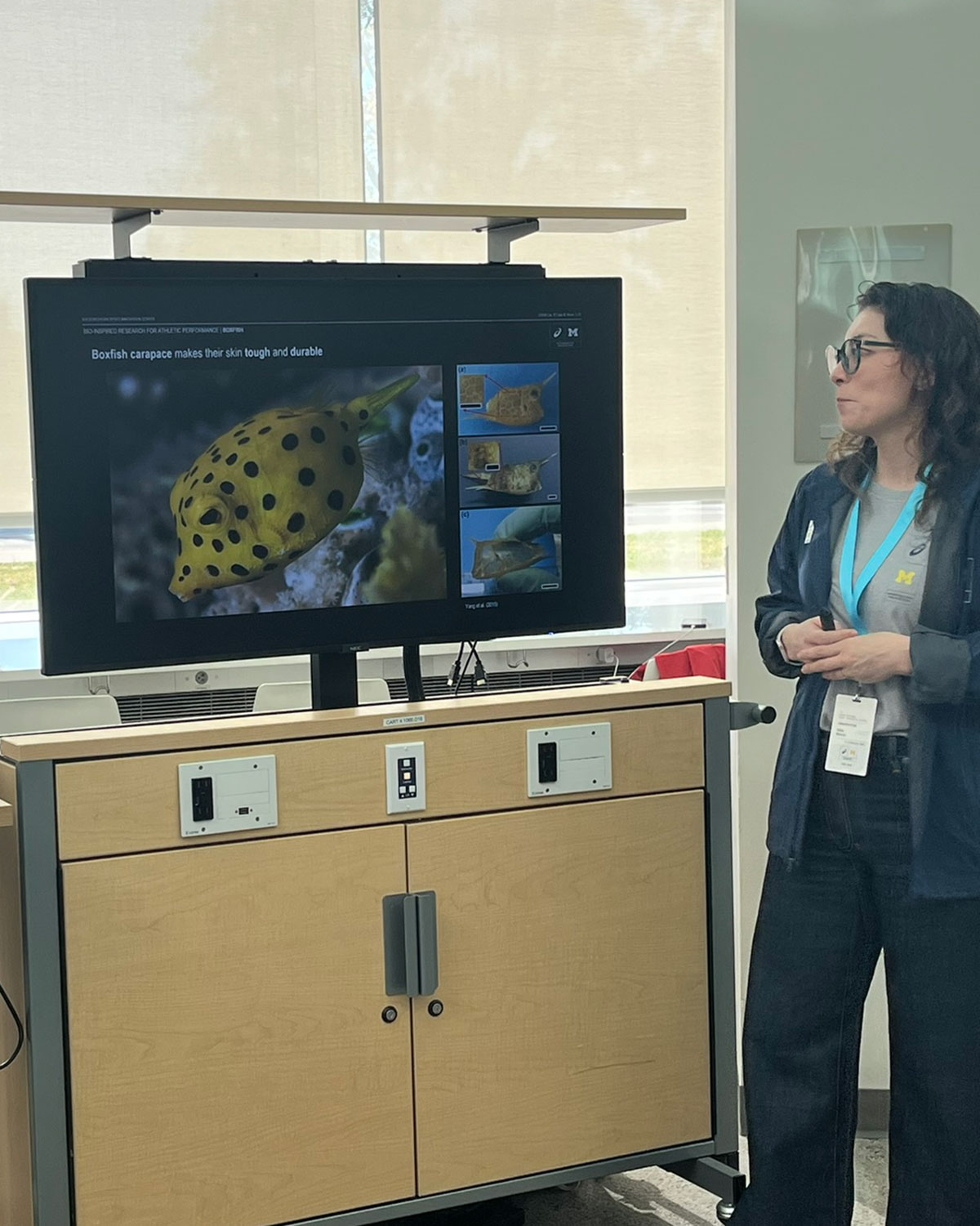
Presentation from the Bio-Inspired Designs for Specialized Terrain lab
Dr. Ken Kozloff has held a number of roles within the University of Michigan, including directing the Michigan Performance Research Laboratory, tooled to utilize biomechanics research and testing to help athletes optimize performance. In various keynote speeches throughout the week, Kozloff acted as an ambassador for the research team at ISS, understandable given his new role as co-director. We spoke to Dr. Kozloff about what to expect from Michigan’s side of the equation as the ISS moves further ahead with their work.
“We were just really excited that [ASICS’ mission] was to generate new knowledge.”
Dr. Kozloff on what drew Michigan to the ISS
Matt Varga: Going back to the keynote, Governor Whitmer described ASICS’ selection process as a very competitive one. Luckily, they ended up in Michigan, but it cuts both ways, right? What made this partnership make sense from U of M’s side?
Ken Kozloff: When ASICS first came on campus in July of 2025, we knew that they were eager to hear from us, but we were equally super excited to hear from them. [What caught our attention] was the potential to really to build fundamental research products to better inform product development on human movement and human performance. The other thing that really appealed is that faculty at universities do a lot of great science, but sometimes it takes a while for that research to reach people and to actually make an impact. This created a really exciting pathway for the research to actually have an end product.
Would you say that being interested in research projects for their own sake, the way you’ve laid out, is a rarity?
I think different companies have different priorities. Some will have just a pure validation priority to make sure something works the way they say it works. Others have different priorities. So maybe it’s a little uncommon, but we were just really excited that that was central to what ASICS’ mission was, was to generate basically new knowledge.
Something that definitely stood out to me as we went through the lab tours was the level of student involvement. We ended the tour at the track system that follows the shoe on the wearer. Has anything the students have come up with surprised you?
I will say we’re at the very early stages of these projects. I think those moments have come when we’ve taken individuals from one lab and had them interact with people in another lab, a totally different area of expertise. The “wow” factor comes when someone from robotics and someone from social science connect and they say, “Oh, we have a similar problem and we’ve approached it in very different ways. So let’s mix our solutions, let’s mix our methods together.” That’s where new innovation really comes; in the ability of getting people from very cross-disciplinary backgrounds to problem solve together in ways they would never have done before.
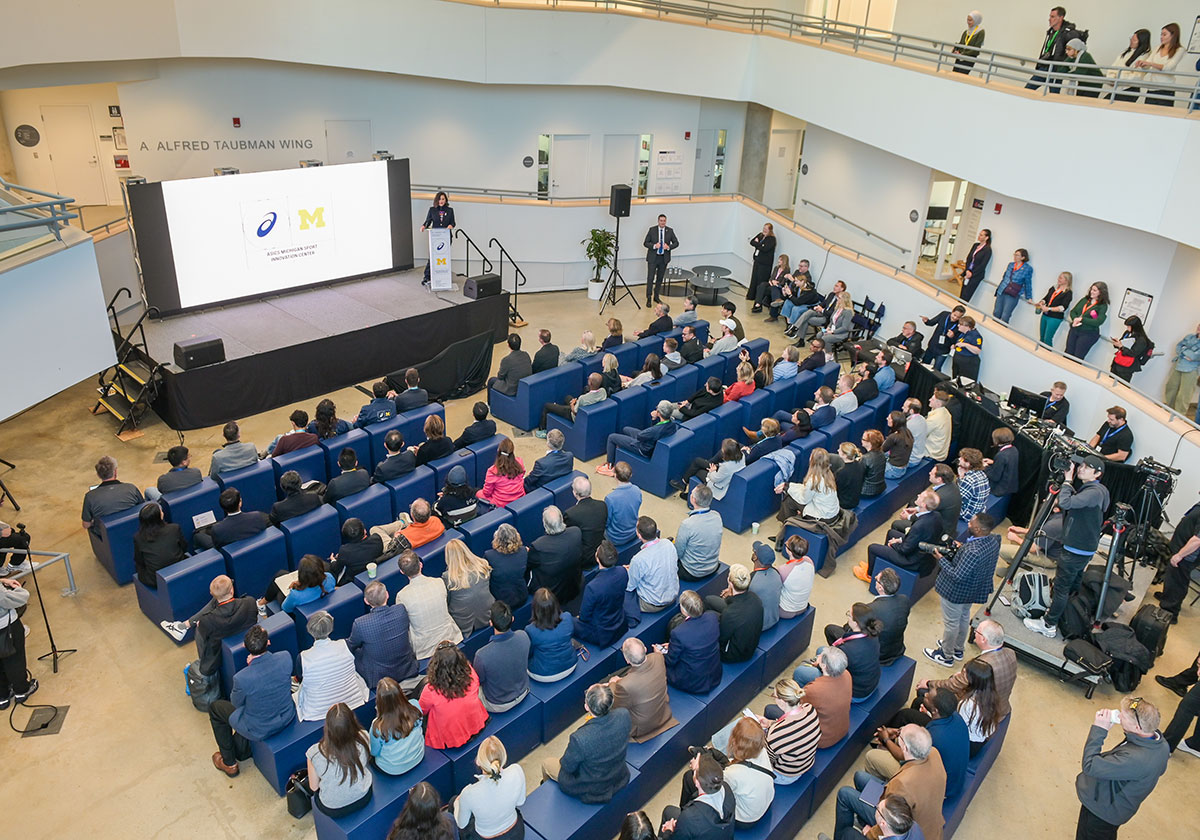
Institute of Sport Science America Keynote Presentation

Institute of Sport Science America Keynote Presentation
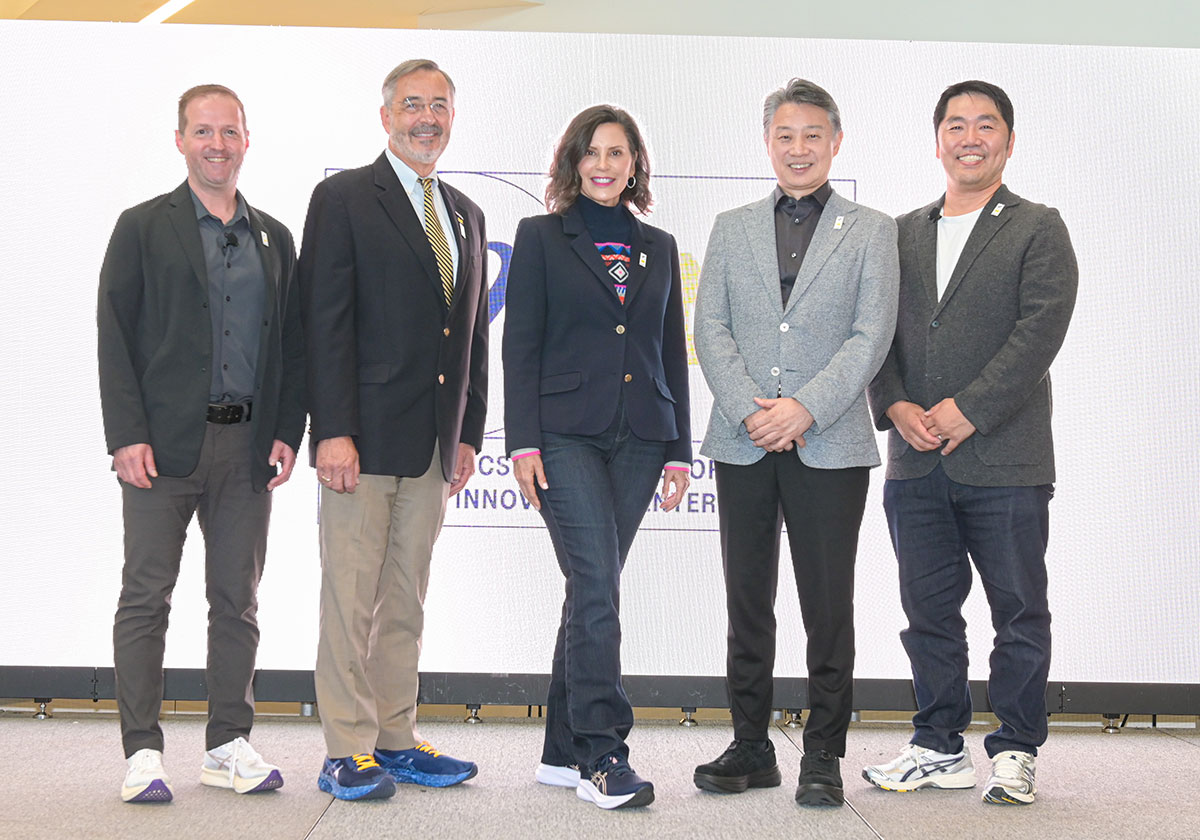
Institute of Sport Science America Keynote Presentation
“We’re interested in much more than [taking] Nimbus 28 and figuring out Nimbus 29 or Nimbus 30.”
Dr. Kozloff on defining ASICS’ future catalog
As you said, this partnership is still in its early stages, so I’m asking you to project ahead a bit. What’s something you would want the average consumer to know about the work that goes into a finished footwear product? What might they miss?
There are so many decisions that go into making that shoe, but fundamentally, so many decisions about what sort of research is necessary to make something that appeals to the final runner. It can take months to years to really answer a basic question about how people move or how people run. It takes time, and energy. There can be a ton of effort that goes into solving a basic question Multiple prototypes that then get narrowed down into maybe one or two or three and then go beyond to the designer process.
What’s so unique about what we’re trying to do is we’re interested in much more than just taking the Nimbus 28 and figuring out Nimbus 29 or Nimbus 30. We’re trying to figure out what could be the next super shoe or what could be the next new thing that revolutionizes the field in a brand new way.
You mentioned in your keynote speech earlier that you’re a runner yourself. Was there anything in your personal experience as an athlete that you were excited to address in this new role?
So I grew up a runner, but I also grew up in the sport in that my parents were race directors in the Detroit area. My life as a teenager was basically going to road races every weekend or every other weekend. The idea of “what does a runner want” is hard to take out of my story.
I think the ability to train and train consistently while minimizing injuries, while feeling fresh was important. But it’s also getting who didn’t like running in the past, making them excited to go out because of what the shoe technology provides.
We’ve spoken about Michigan and ASICS, but the elite athletes ASICS has access to are a principal part of this initiative as well. What has it meant to have the door open to world-class performers in that way?
It’s just tremendously exciting. And as the athletes have spoken to, I think that excitement goes in both ways. Having the door open and access to athletes like Emma Grace Hurley or Drew Hunter or Vinny Mowry or Dino or Nathan, to me, it allows us to go to Vinny and ask “How did your legs feel in Chicago at 5K, 10K, 35K?” That means we get insight into what’s happening when the body starts to break down? Maybe a particular foam feels good at the outset, but if that changes in the later stages of a race, how do we make sure it’s got longevity throughout. You can only really get that by talking to the runners who are at that cutting edge of performance at the highest level.
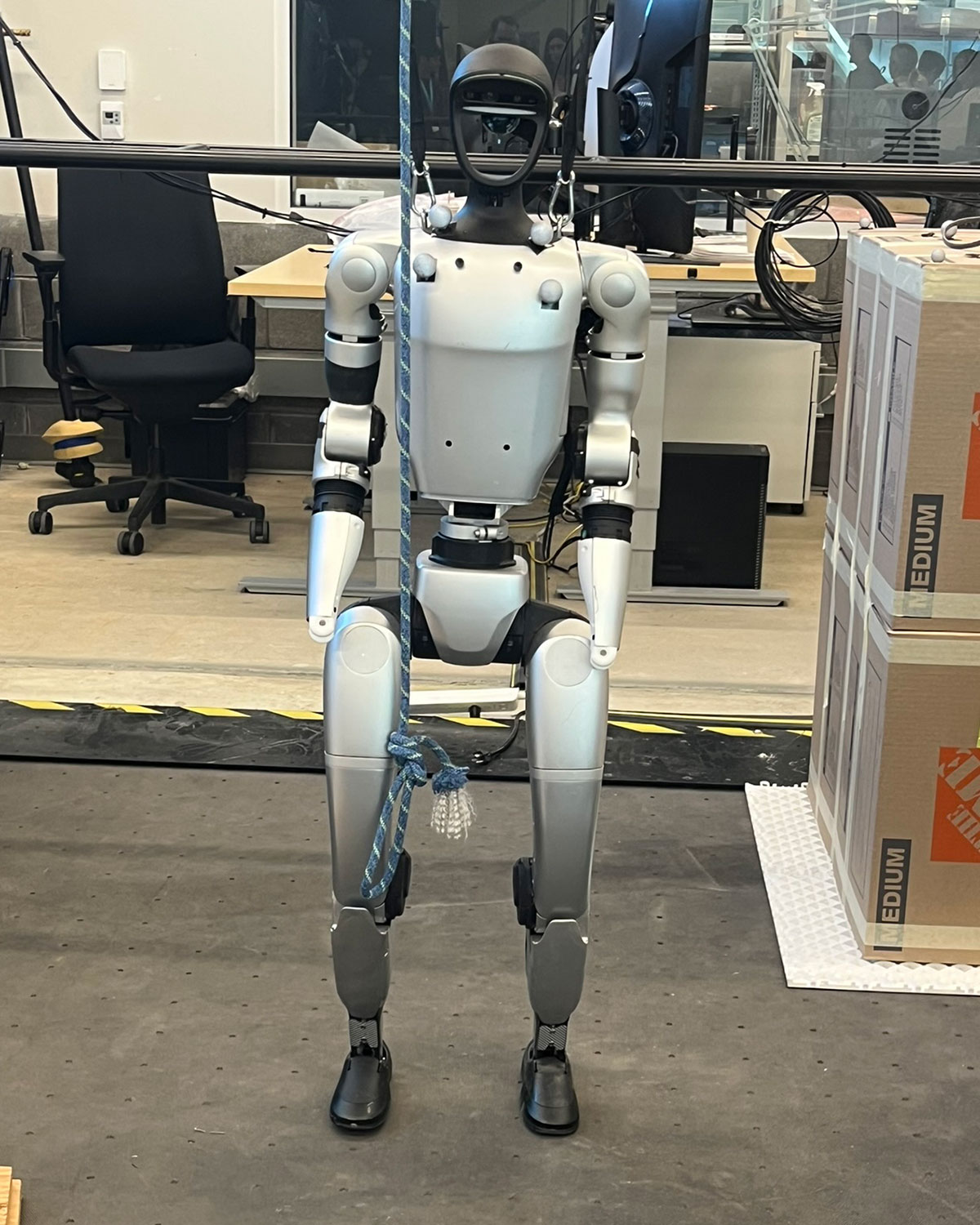
Biomechanics for Real-World Measurement
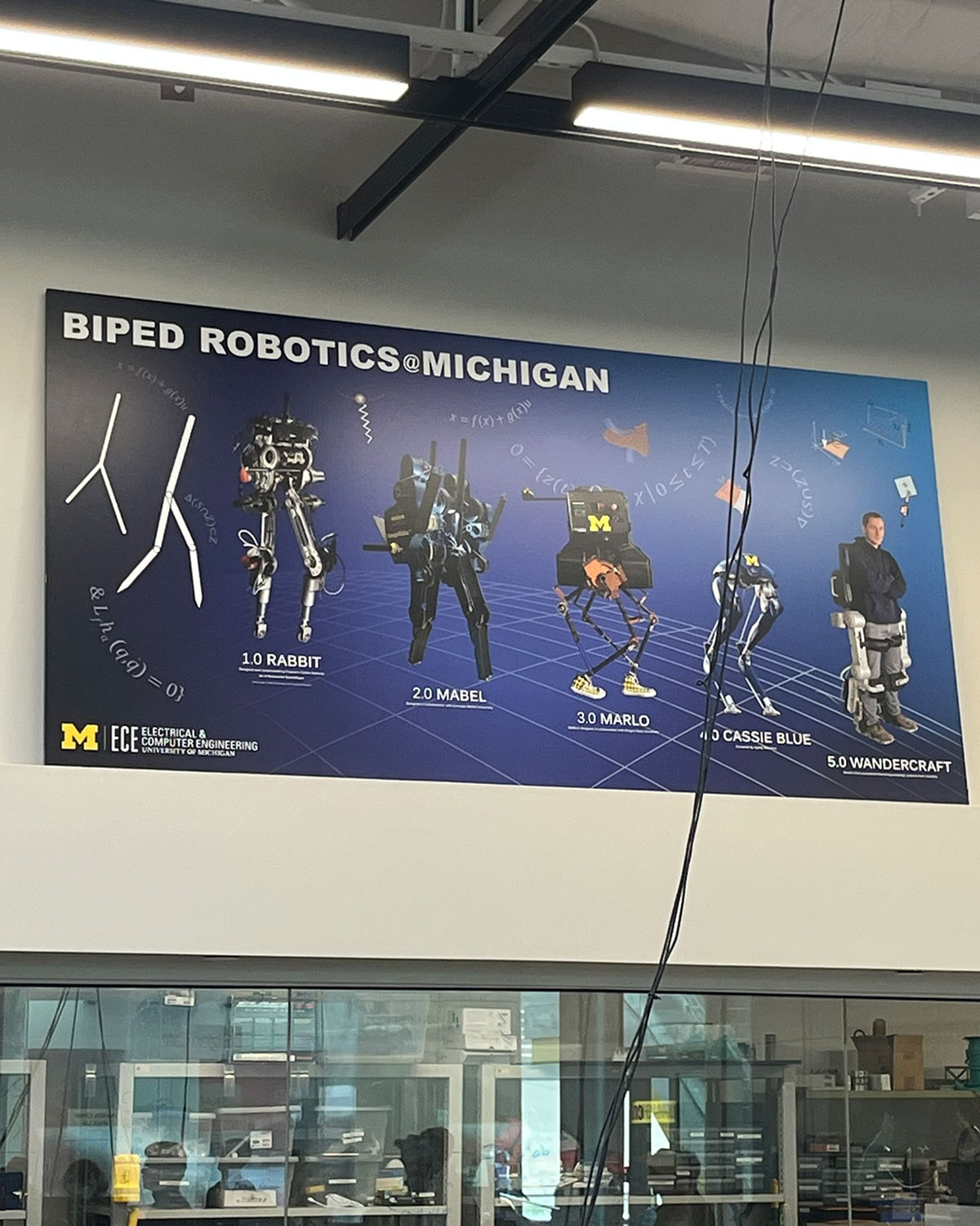
Biomechanics for Real-World Measurement
Biomechanics for Real-World Measurement
Norihiko Taniguchi has been with ASICS for an incredible 26 years, moving from an initial role as a researcher into various managerial roles overseeing digital design and later the “Future Creation Department.” After serving in a leadership role within Kobe’s Instiute of Sport Science, Nori-san was selected to co-direct and act as CEO for the American branch. We spoke with Nori-san to get a deeper understanding of what ASICS’ goals and future plans are for the ISS.
“Why not apply it onto basketball, volletball, sportstyle, or anything else?.”
Norihiko Taniguchi on the potential applications of ISS’ work
Matt Varga: This is one of multiple research facilities being built around the globe for ASICS. Was there any thought of opening a similar facility in America earlier, and what made this the right moment to open one in Ann Arbor?
Norihiko Taniguchi: ASICS has done research for a long time, but the work we do in Japan has some limitations. First is our research field; while we do conduct plenty of research there, it’s not enough as we continue to scale the business globally. So we do research in Japan, We’re also limited when it comes to access to athletes. We have many elite US runners who are sponsored by the company, and it’s taxing to ask them to travel back and forth for testing. The final consideration is our access to researchers. With our Japanese facility, 90% of the researchers are Japanese. There’s an advantage to having diversity, but also diversity in thought.
Having a facility in the United States has advantages, but from your perspective, what makes the needs of the American runner or the American market unique?
One thing that stands out to me about the U.S. market is how strongly American runners connect with ASICS’ commitment to authentic performance products. They really value the research, innovation and craftsmanship behind our footwear, and I think that’s an important reason why they choose ASICS.
As we’ve toured the labs, the athlete’s performance has been at the center of everything. Do you foresee any of the research conducted at this facility making its way into sportstyle or other everyday products?
There’s the idea of “Chojo” [“striving for the peak”] that ASICS operates on. For the Institute, that means starting with research on athletes, and only then taking those insights to any other products. Even if we don’t begin a project with anything other than running in mind, if we happen upon something that works in other categories, why not apply it onto basketball, volleyball, sportstyle, or anything else?
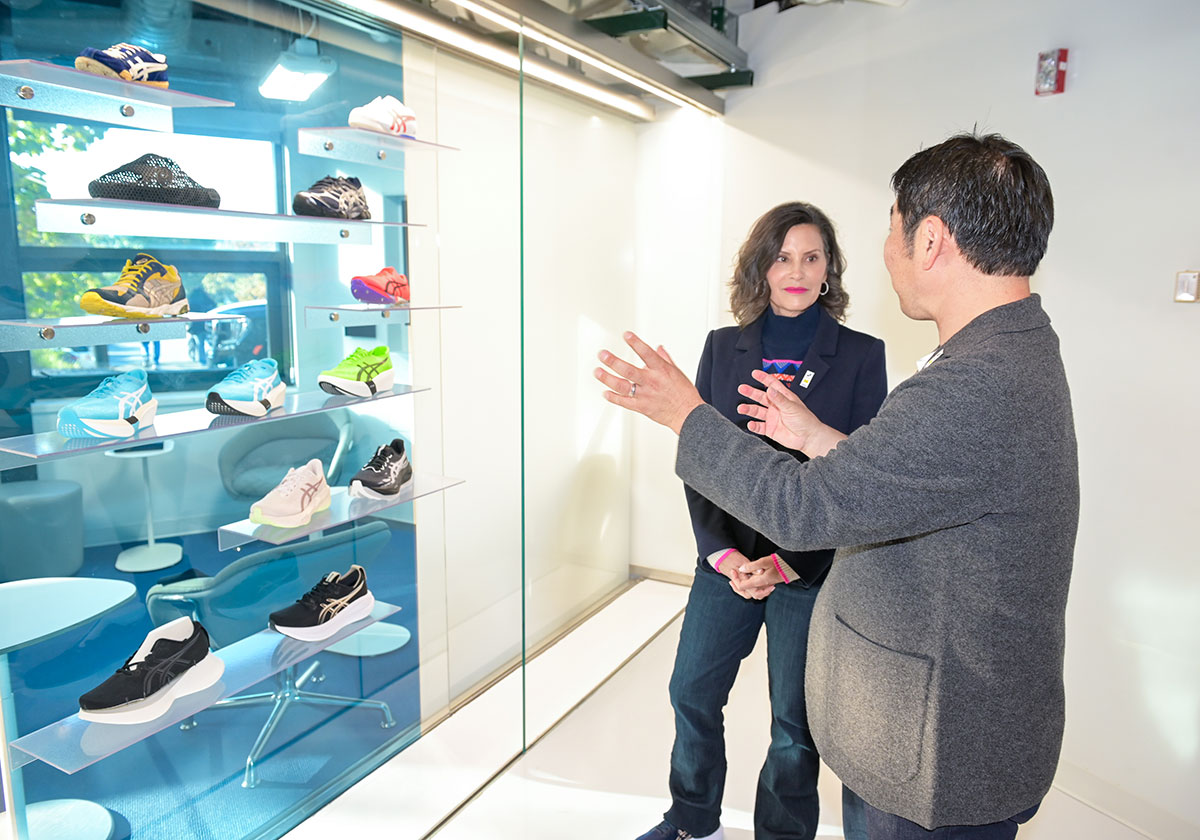
Norihiko Taniguchi and Michigan Governor Gretchen Whitmer
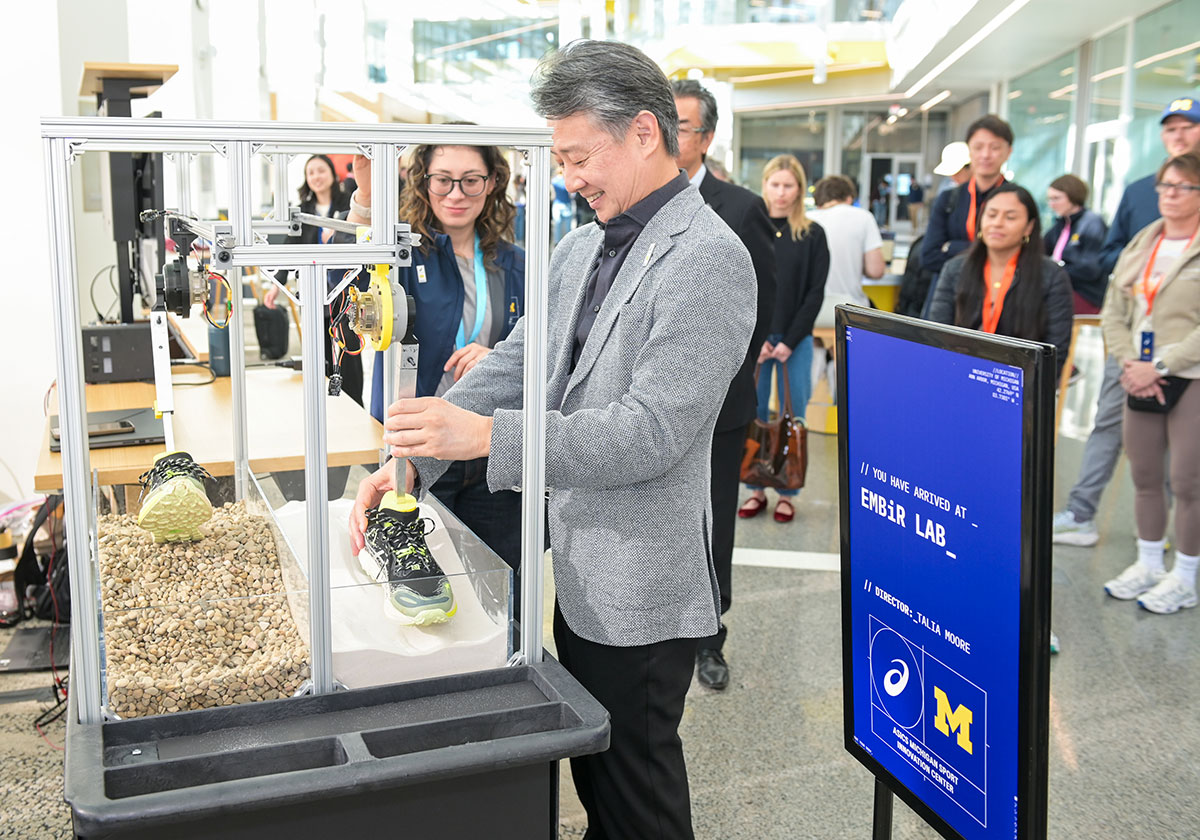
ASICS President Mitsuyuki Tominaga tours the ISS
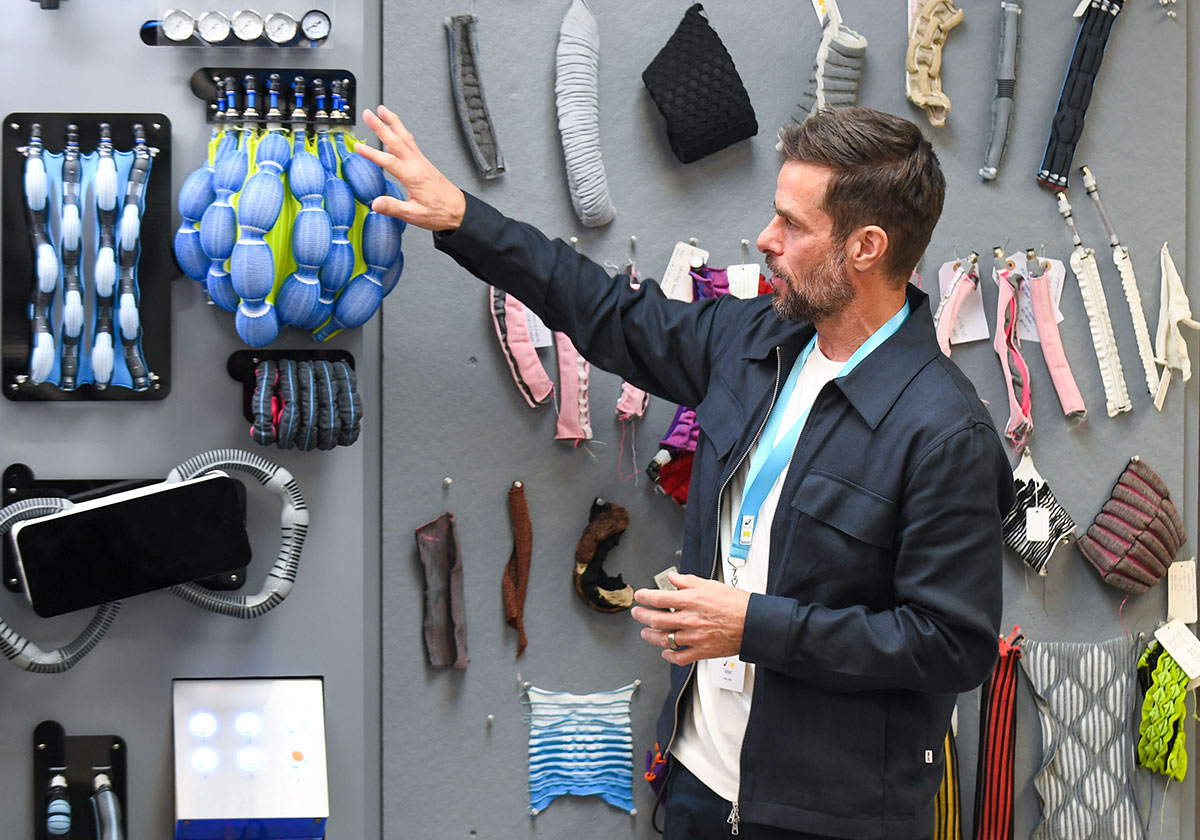
Sean Alquist shows off knitted materials
“[Preventing] injury for the recreational runner, or even push[ing] into new types of products with completely different applications.”
Norihiko Taniguchi on the applications beyond peak running performance
In speaking with the researchers leading these departments, the question that kept coming up was how their work would be applied to actual ASICS products. In almost every case, they said they’d defer to ASICS leadership, so I’ll put that question to you.
The six PI researchers know the research very well, but they’re not as familiar with the creation of shoes. A large part of my role is to be the bridge between those two places. My mission is how we create prototypes as a common language. So far, we’ve gotten started on a lot of potential uses that hopefully we’ll be able to show the world in the coming months.
We are focusing on the new higher performance running shoes, but that has many different meanings for us. We’d love to help the marathon runner become their fastest with our shoes, but also prevent injury for the recreational runner, or even push into new types of products with completely different applications.
What was it about Michigan that put it over the line compared with some of the other schools you considered?
Last year, I visited 10 universities across the US for 12 weeks. What put Michigan over the top was seeing how many people they had across different disciplines, and how many were doing cross-discipline work as well. I think that’s where innovation is born. They were already incredibly familiar with what we felt we needed to create the future of our product.
In general, what excites you most about the partnership?
Oh, it’s the people. Speaking with different faculty and getting the chance to network with such a diverse group has been a great opportunity. As an example, Michigan is very famous for the automobile industry, right? There are so many manufacturing technologies they’ve developed within that; getting to build out an ecosystem of talent and process has been great.

Popular Sneakers
Popular Stories
Latest News
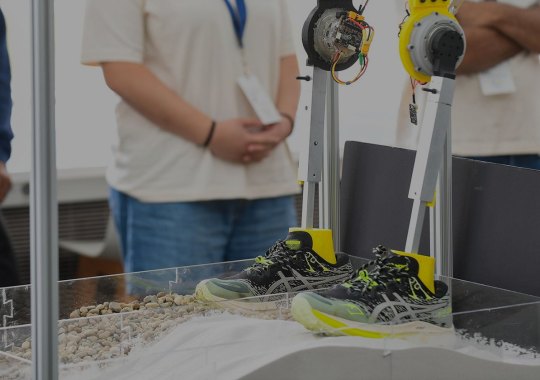
ASICS Is Building Their Future Of Footwear With The University Of Michigan
In 1935, Ann Arbor was where Jesse Owens laced up his track spikes and broke three world records in track and field. In 2007, former...
Our Legacy Teases First Collaboration With Nike
Swedish menswear label Our Legacy is officially joining forces with Nike, announcing its first collaboration with the Swoosh through a cryptic Instagram teaser that suggests...
Good News: Jjjjound’s New Balance 990v3 “Tan” Is Dropping Globally
Where would we be without JJJJounds original New Balance 990v3? Beyond spawning a fan-favorite “Mushroom” series in the time since, now spread across five distinct...